


What's Happening?
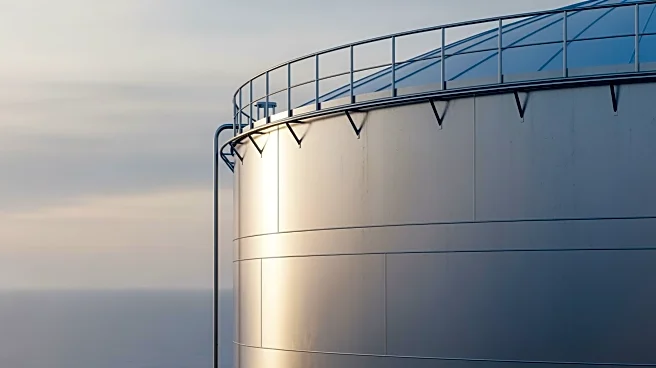
The U.S. Department of Energy (DOE) has initiated a plan to loan millions of barrels of oil from the Strategic Petroleum Reserve (SPR) to energy companies. This initiative is part of a broader effort by the International Energy Agency to release 400 million barrels of crude
to stabilize global oil prices, which have surged due to geopolitical tensions, including the U.S.-Israeli conflict with Iran. The DOE has offered to loan up to 86 million barrels of oil in the initial phase, with a total of 172 million barrels planned for release. Companies are required to return the oil with a premium, effectively paying an interest rate of 18% to 22% in additional barrels. The high sulfur crude, or sour crude, is being offered from sites in Texas and Louisiana, with the expectation that it will be returned between November 2026 and September 2028.
Why It's Important?
This oil loan strategy is significant as it aims to mitigate the impact of rising oil prices on the global market, which have exceeded $103 per barrel. The high premiums required for the loan could deter participation from energy companies, potentially limiting the effectiveness of the plan. The initiative reflects the U.S. government's attempt to manage its strategic reserves while addressing international energy supply challenges. The outcome of this plan could influence future energy policies and the management of the SPR, especially given the current reserve levels are below 60% of capacity. The decision to impose high premiums underscores the urgency to maintain reserve levels while attempting to stabilize market prices.
What's Next?
The DOE is expected to announce the results of the initial bidding process soon. The success of this initiative will depend on the willingness of energy companies to participate under the current terms. If participation is low, the DOE may need to reconsider the terms or explore alternative strategies to manage oil prices and reserve levels. The geopolitical situation, particularly in the Middle East, will continue to influence oil market dynamics and may necessitate further interventions by the U.S. and its allies.