


What's Happening?
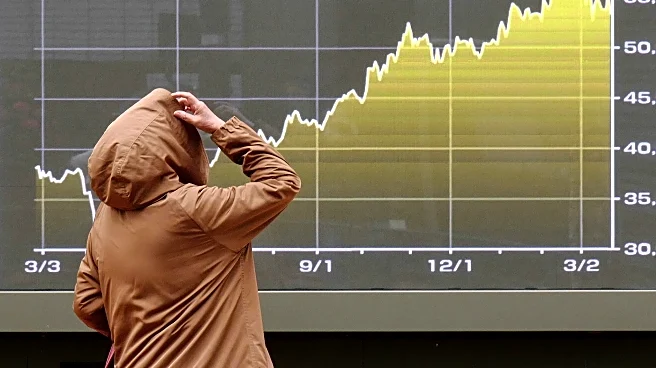
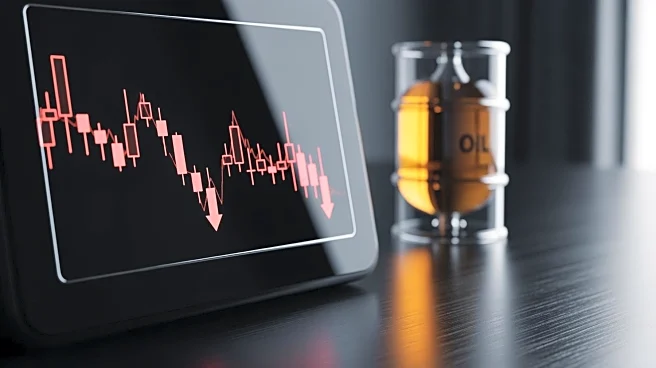
The U.S. stock market has experienced a significant decline as tensions in the Middle East escalate, with the Pentagon increasing its military presence in the region. The Nasdaq composite, along with the S&P 500 and Dow Jones Industrial Average, has suffered
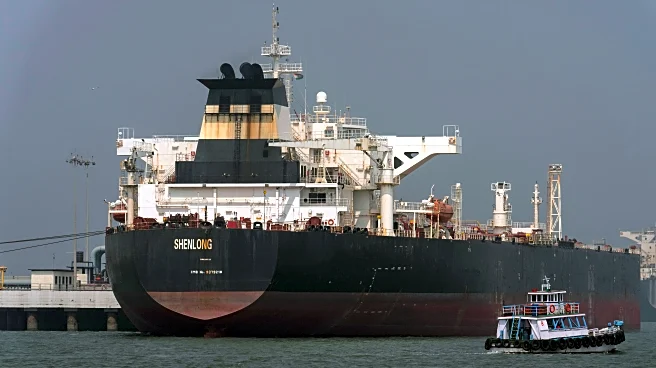
its fourth consecutive week of losses. This downturn is attributed to rising oil prices and concerns over the ongoing conflict with Iran. The producer price index has also seen a notable increase, contributing to inflation worries. The U.S. has deployed additional warships and Marines to the Middle East, while Iran continues to threaten Gulf nations and maintain control over the Strait of Hormuz. The potential U.S. takeover of a key Iranian energy terminal underscores the expanding scope of the conflict.
Why It's Important?
The ongoing conflict and rising oil prices have significant implications for the U.S. economy and global markets. The increase in oil prices can lead to higher costs for consumers and businesses, potentially slowing economic growth. The situation also raises concerns about inflation, which could impact monetary policy decisions by the Federal Reserve. Investors are grappling with the uncertainty of the conflict's duration and its effects on energy markets. The potential for a global recession looms if the Strait of Hormuz remains closed, affecting oil supply and prices worldwide. The U.S. administration faces pressure to resolve the conflict and stabilize the region to prevent further economic disruption.
What's Next?
The U.S. is considering plans to capture or isolate Iran's key oil hub, Kharg Island, as a strategy to negotiate with Tehran and reopen the Strait of Hormuz. This move could lead to a diplomatic resolution, but the situation remains volatile. Investors and policymakers will closely monitor developments in the region, as well as the impact on oil prices and global markets. The potential for further military escalation or diplomatic breakthroughs will shape the economic landscape in the coming weeks.