



What's Happening?
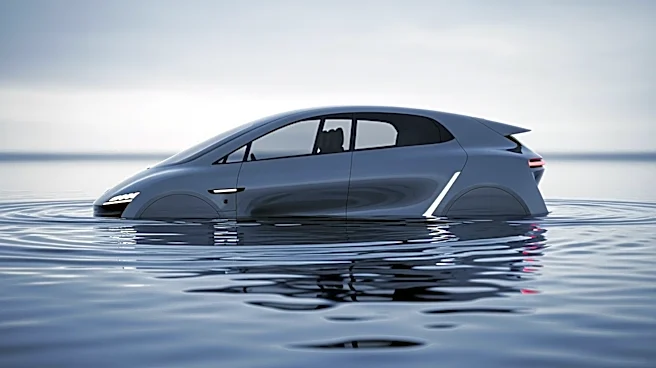
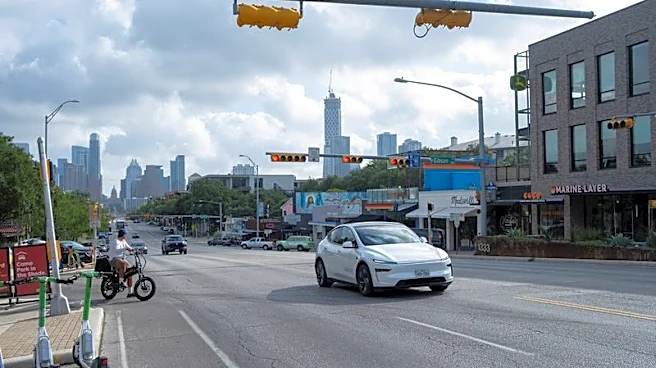
Waymo LLC has initiated a recall of over 3,000 autonomous vehicles due to a software malfunction that could lead to the cars driving into flooded areas. According to a report by the National Highway Traffic Safety Administration, the issue arises on high-speed
roads where the vehicles may slow down but fail to stop upon detecting a flooded lane, potentially resulting in a loss of vehicle control. The recall affects 3,791 units produced between March 17, 2022, and April 20, 2026. Waymo became aware of the problem on April 20 when an unoccupied vehicle entered a flooded road at 40 mph, prompting the company to impose additional operational restrictions and conduct a review. A permanent solution is under development, and in the interim, Waymo has adjusted vehicle operations to account for weather-related constraints and updated vehicle maps.
Why It's Important?
The recall highlights the challenges and risks associated with autonomous vehicle technology, particularly in handling unexpected environmental conditions. This incident underscores the importance of robust software systems in ensuring the safety and reliability of self-driving cars. The recall could impact consumer confidence in autonomous vehicles and influence regulatory scrutiny and industry standards. It also emphasizes the need for continuous improvement and testing of autonomous systems to prevent similar issues in the future. The recall may affect Waymo's market position and could have financial implications for the company as it works to address the software flaw.
What's Next?
Waymo is currently developing a permanent fix for the software issue. In the meantime, the company has implemented temporary measures to mitigate risks, such as modifying vehicle operations and updating maps. The recall process will involve notifying affected vehicle owners and ensuring that the necessary software updates are applied. Regulatory bodies may increase oversight of autonomous vehicle testing and deployment to prevent similar incidents. The industry may also see a push for more stringent safety standards and testing protocols to ensure the reliability of autonomous driving systems.