








What's Happening?
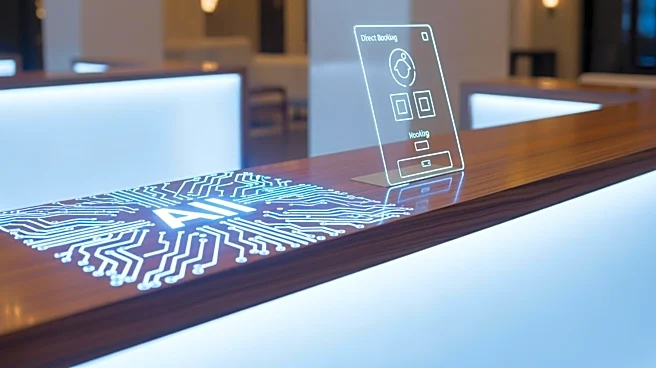
A new viewpoint in the hospitality industry questions whether agentic AI will transform the sector as significantly as the Internet did. Data from SiteMinder indicates that direct bookings generate 60% higher revenue per reservation compared to OTAs,
highlighting a shift in booking economics. The World Travel and Tourism Council reports that Saudi Arabia leads Middle East tourism with a GDP contribution of $178 billion, reflecting strong business travel growth. The debate centers on whether agentic AI will disintermediate OTAs, allowing hoteliers to sell directly through platforms like ChatGPT, or if it will follow the path of blockchain and the metaverse.
Why It's Important?
The potential impact of agentic AI on the hospitality industry is profound, as it could redefine booking processes and revenue models. Direct bookings offer higher revenue, challenging the dominance of OTAs and encouraging hotels to leverage AI for personalized customer experiences. Saudi Arabia's tourism growth underscores the region's economic momentum, with implications for global travel patterns. The strategic choices made by industry leaders regarding AI adoption could influence competitive dynamics, customer engagement, and profitability in the hospitality sector.
What's Next?
The hospitality industry is likely to see increased investment in AI technologies to enhance direct booking capabilities and customer personalization. As agentic AI evolves, stakeholders may explore partnerships and integrations with AI platforms to optimize distribution channels. The ongoing debate about AI's role in hospitality will continue to shape strategic decisions, with potential shifts in market share between direct bookings and OTAs. Industry leaders may also focus on aligning AI strategies with broader business goals to maximize revenue and customer satisfaction.