








What's Happening?
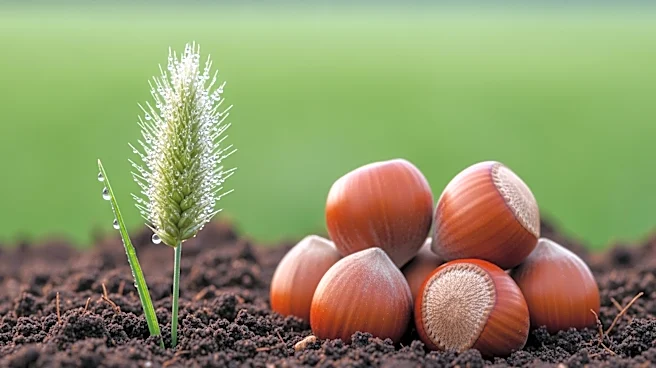
Oregon has solidified its position as a major player in U.S. agriculture, particularly as the leading producer of grass seed and hazelnuts. The state's unique climate and fertile soils, especially in regions like the Willamette Valley, provide ideal conditions
for these crops. Oregon's agricultural landscape is diverse, with significant contributions from Christmas trees, onions, and sweet berries. The state's nursery and greenhouse production is a major economic driver, generating over $1.5 billion annually. This sector's success highlights Oregon's importance beyond traditional food crops, supplying ornamental plants and landscaping materials nationwide.
Why It's Important?
Oregon's leadership in grass seed and hazelnut production has significant implications for both domestic and global markets. The state's agricultural output supports a wide range of industries, from food production to landscaping, reinforcing its economic importance. The success of Oregon's nursery and greenhouse sector underscores the state's adaptability and innovation in agriculture, contributing to its reputation as a dynamic agricultural hub. This diversity not only strengthens Oregon's economy but also positions it as a critical supplier in various agricultural markets, impacting national supply chains and trade.
Beyond the Headlines
Oregon's agricultural success story reflects broader trends in sustainable and diversified farming practices. The state's ability to produce a wide range of crops demonstrates the potential for agricultural resilience in the face of climate change and market fluctuations. Additionally, Oregon's focus on high-value crops like hazelnuts and nursery products highlights the importance of niche markets in driving economic growth. As other states look to replicate Oregon's success, the emphasis on sustainable practices and crop diversity could lead to long-term shifts in U.S. agricultural strategies.