







What's Happening?
Spirit Airlines, known for its ultra-low-cost model, has announced an immediate shutdown of its operations after 34 years in business. The airline, which employed approximately 17,000 people, cited soaring oil prices, exacerbated by the ongoing conflict
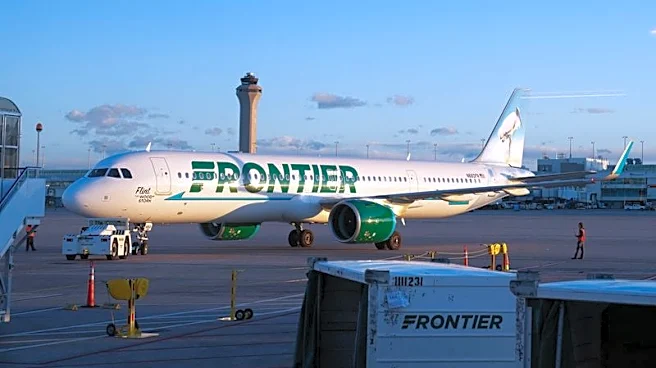
with Iran, as the primary reason for its closure. Spirit had previously filed for bankruptcy twice, and despite efforts to secure a government bailout, the financial strain proved insurmountable. The airline has canceled all flights, leaving passengers and employees in a state of uncertainty. U.S. Transportation Secretary Sean Duffy stated that a reserve fund is available for direct customers to obtain refunds, while other airlines are offering discounted fares to affected passengers.
Why It's Important?
The shutdown of Spirit Airlines marks a significant shift in the U.S. aviation industry, particularly affecting budget-conscious travelers who relied on its low-cost services. The closure could lead to reduced competition, potentially driving up airfares across the board. The loss of 17,000 jobs adds to the economic challenges faced by the airline industry, which is already grappling with high fuel costs and geopolitical tensions. The situation underscores the vulnerability of airlines to external economic pressures and highlights the broader impact of international conflicts on domestic industries.
What's Next?
In the wake of Spirit's closure, other airlines are stepping in to accommodate stranded passengers and offer employment opportunities to former Spirit employees. The industry may see further consolidation as remaining carriers adjust to the new market dynamics. The U.S. government and industry stakeholders will likely engage in discussions on how to support the aviation sector amid rising operational costs. Additionally, there may be increased scrutiny on the regulatory environment and its role in facilitating or hindering airline mergers and acquisitions.