




What's Happening?
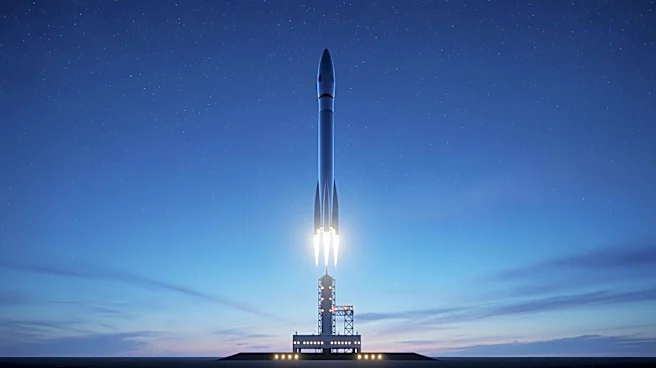
SpaceX successfully launched its Starship V3 for the first time, showcasing a series of upgrades during the rocket's twelfth test flight. The launch took place from a newly built pad in Starbase, Texas, and despite losing a few engines during ascent,
the mission achieved nearly all its milestones. The Super Heavy booster, however, failed to light all its engines and ended a partial boost-back burn prematurely, crashing into the Gulf. The launch featured significant upgrades to both the vehicle stages and ground systems, including the Raptor engines and the launch pad. Enhancements to the Super Heavy booster included larger grid fins and a redesigned fuel-transfer tube, while the Starship V3 upper stage saw increased propellant tank volume and improved in-flight steering capabilities.
Why It's Important?
The successful launch of Starship V3 marks a significant step forward for SpaceX's ambitions in space exploration and satellite deployment. The upgrades are crucial for future missions, including potential cargo deliveries to the Moon and Mars. The ability to deploy Starlink satellites more efficiently positions SpaceX as a leader in the satellite internet market, potentially impacting global communications infrastructure. The advancements in reusability and efficiency could lower costs and increase the frequency of launches, benefiting industries reliant on satellite technology.
What's Next?
SpaceX plans to use Starship primarily for Starlink satellite deployments in the near term, with dedicated missions expected to begin by mid-2027. The company aims to leverage the vehicle for rideshare missions and cargo deliveries to the Moon and Mars by 2028. Continued testing and refinement of the Starship system will be critical to achieving these goals, as will addressing any technical challenges encountered during this launch.