
What's Happening?
The agriculture sector is experiencing a significant digital transformation with the integration of drone technology. According to a report by MarketsandMarkets Research Pvt. Ltd., the global agriculture drones market is expected to expand from USD 2.63
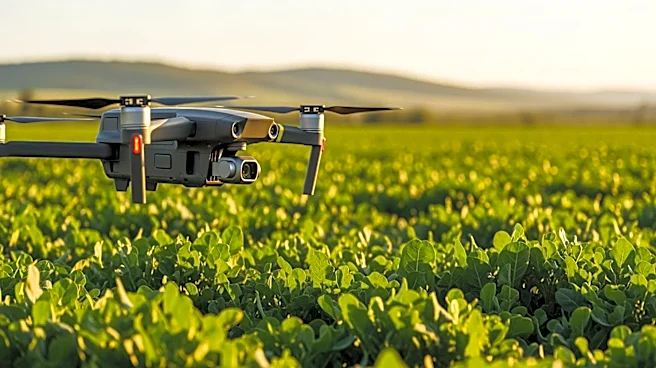
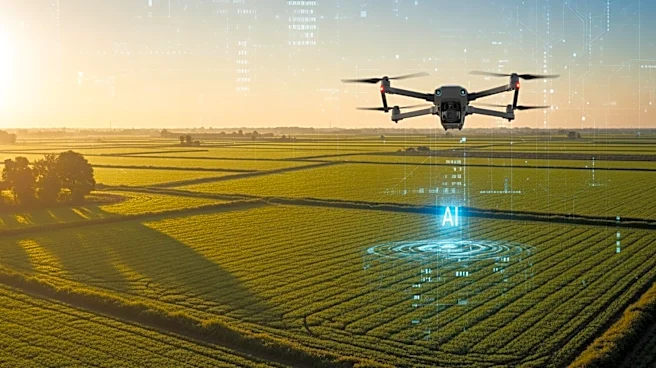
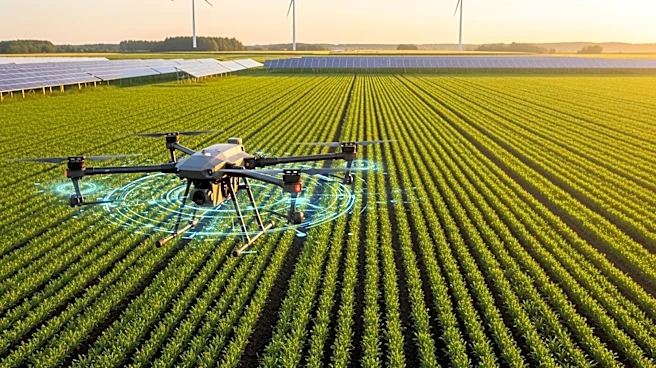
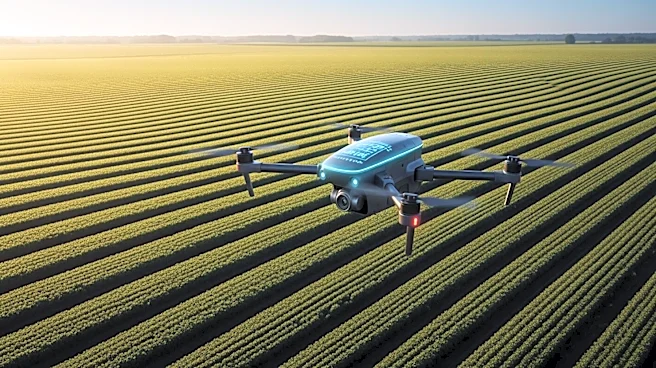
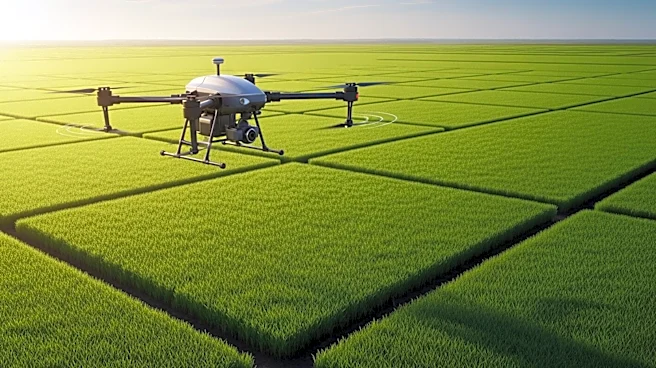
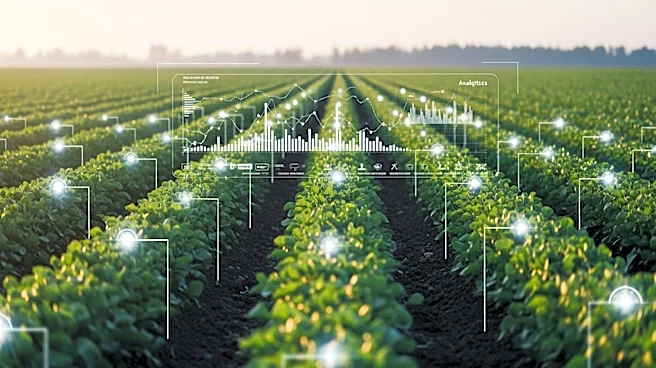
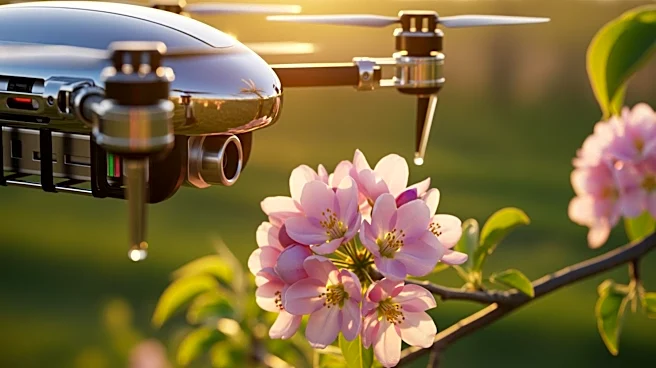
billion in 2025 to USD 10.76 billion by 2030, achieving a compound annual growth rate (CAGR) of 32.6%. Agriculture drones, which are unmanned aerial vehicles (UAVs), are equipped with advanced sensors, cameras, and software to provide real-time insights into crop health, soil conditions, and farm productivity. These drones are utilized for various applications such as crop monitoring, precision spraying, soil and field analysis, seeding, planting, and yield forecasting. The adoption of drones in agriculture is driven by the rising demand for precision farming, technological advancements, labor shortages, and government support for smart farming initiatives.
Why It's Important?
The rapid growth of the agriculture drones market is significant as it represents a shift towards more efficient and sustainable farming practices. By enabling data-driven decisions, drones help farmers optimize resource use, reduce waste, and increase productivity. This technological advancement is particularly crucial in addressing labor shortages in agriculture, as drones can perform tasks such as spraying and monitoring more efficiently than manual labor. Additionally, government support and favorable regulations are encouraging the adoption of drones, which could lead to widespread modernization of the agriculture sector. The increased use of drones in agriculture could also have broader economic implications, potentially boosting the agricultural output and contributing to food security.
What's Next?
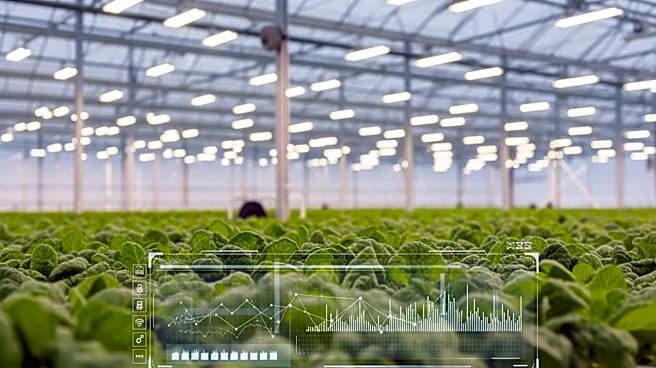
As the agriculture drones market continues to grow, further advancements in drone technology are expected. This includes improvements in imaging technologies, GPS systems, automation, and battery efficiency, which will enhance the capabilities of drones. The market is also likely to see increased adoption of small payload drones, which are affordable and easy to operate, making them ideal for small and medium-sized farms. Additionally, the use of drones in smart greenhouses is emerging as a key application area, where they can be used for high-resolution crop imaging and targeted pesticide spraying. Continued government support and investment in smart farming initiatives will likely drive further growth and innovation in the agriculture drones market.