
What's Happening?
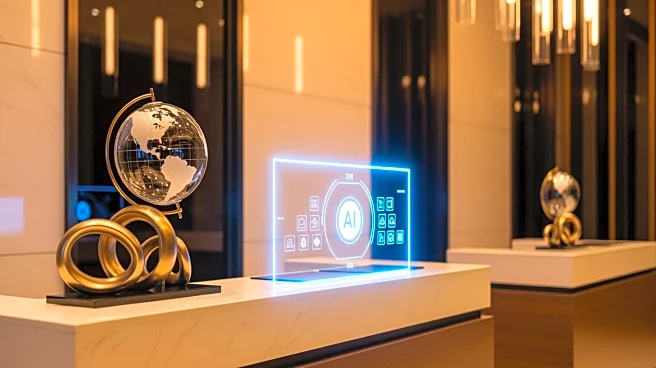
The hotel industry is undergoing significant changes due to the integration of artificial intelligence (AI) and other technological advancements. Jitendra Jain, a hotelier and founder of Hotelemarketer.com,
emphasizes that the real challenge for hotel General Managers (GMs) in the AI era is not just technological adaptation but cultural transformation. He suggests that GMs need to evolve from traditional roles to become 'Chief Orchestrators' who can harmonize legacy systems, AI capabilities, and team dynamics. This involves leveraging 'edge AI' for practical wins, prioritizing psychological safety, and replacing rigid operational scripts with flexible playbooks. The industry is at a crossroads where digital and human elements must be integrated strategically to meet shifting guest expectations and address labor market disruptions.
Why It's Important?
The shift towards AI in the hotel industry is crucial as it represents a broader trend of digital transformation across various sectors. For the U.S. hospitality industry, this means that GMs who can successfully integrate AI with human-centric operations will likely lead the market. This transformation is not just about adopting new technologies but also about creating a culture that supports innovation and adaptability. The ability to balance automation with personalized guest experiences can lead to increased customer satisfaction and operational efficiency. As AI continues to influence hospitality, those who can navigate these changes effectively will set new standards for service and management, potentially reshaping the competitive landscape.
What's Next?
As AI becomes more embedded in hotel operations, GMs will need to focus on continuous learning and adaptation. This includes staying updated with technological advancements and fostering a culture of innovation within their teams. The industry may see increased collaboration between tech companies and hospitality businesses to develop tailored AI solutions. Additionally, there could be a shift in training programs for hospitality professionals to include AI literacy and cultural management skills. Stakeholders, including hotel owners and investors, will likely monitor these developments closely to assess their impact on profitability and guest satisfaction.
Beyond the Headlines
The integration of AI in hotels raises ethical and cultural questions about the future of work and the role of human interaction in service industries. As automation takes over routine tasks, there is a need to redefine job roles and ensure that employees are equipped with skills that complement AI. This cultural shift may also influence guest expectations, as travelers might seek more personalized and empathetic service experiences. The long-term success of AI in hospitality will depend on how well the industry can balance technological efficiency with human touch.