






What's Happening?
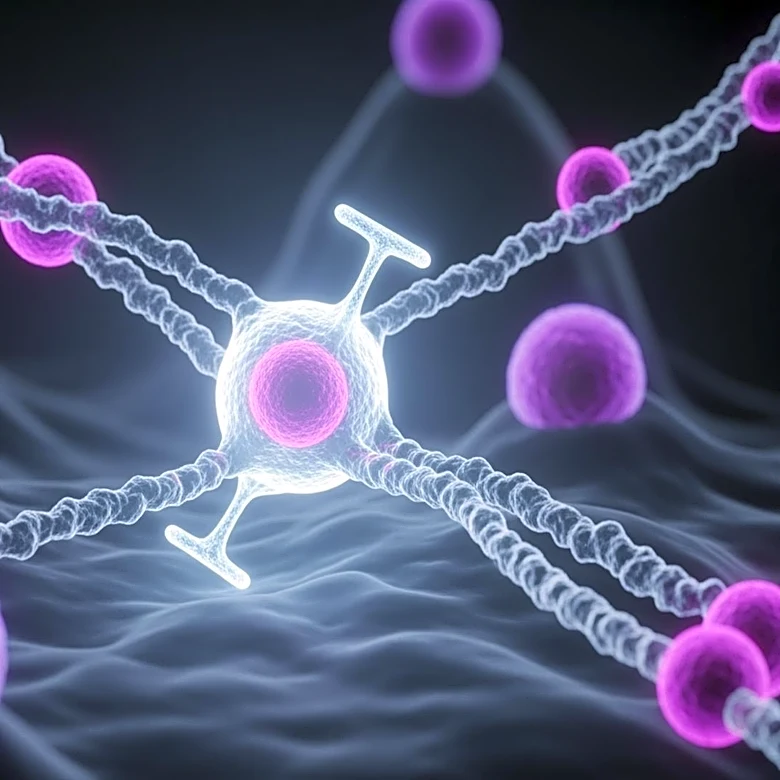
Altesa BioSciences has presented new data at the International Conference on Antiviral Research, demonstrating that its antiviral drug, vapendavir, is effective against all three species of rhinovirus, including Rhinovirus C. Vapendavir, a rhinovirus capsid
inhibitor, showed clinically meaningful activity in vivo, in vitro, and in silico studies. The drug's mechanism involves direct entry inhibition at the virus-host receptor junction. This finding challenges previous assumptions about the treatability of Rhinovirus C. Vapendavir is currently being evaluated in the CARDINAL Phase 2b trial, targeting COPD patients with rhinovirus infections. The trial aims to assess improvements in respiratory symptoms and quality of life.
Why It's Important?
The development of vapendavir represents a significant advancement in the treatment of rhinovirus infections, which are a major cause of acute COPD exacerbations. Current treatments focus on managing symptoms rather than addressing the underlying viral cause. Vapendavir's ability to target rhinovirus directly offers a potential new approach to treatment, which could improve outcomes for patients with COPD and other chronic lung diseases. The drug's broad-spectrum activity against all rhinovirus species positions it as a promising candidate for addressing unmet needs in respiratory medicine.
What's Next?
Altesa BioSciences will continue to advance the CARDINAL Phase 2b trial, with results expected to inform the drug's potential for broader application in respiratory infections. The company may seek regulatory approval based on trial outcomes, potentially expanding vapendavir's use to other high-risk populations. The pharmaceutical industry and healthcare providers will be closely watching the trial's progress, as successful results could lead to a shift in treatment paradigms for viral respiratory infections. Altesa's focus on innovative antiviral therapies highlights the ongoing need for effective treatments in the face of evolving viral threats.