



What's Happening?
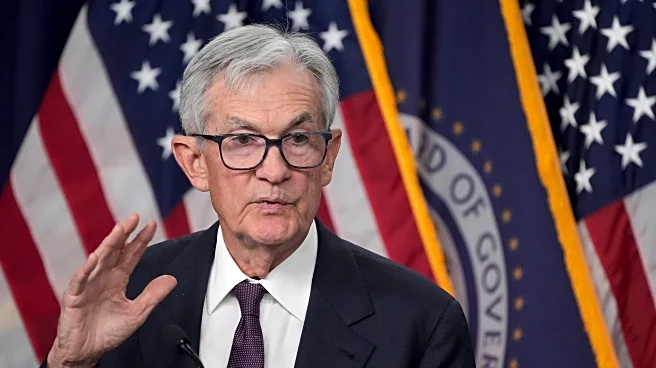
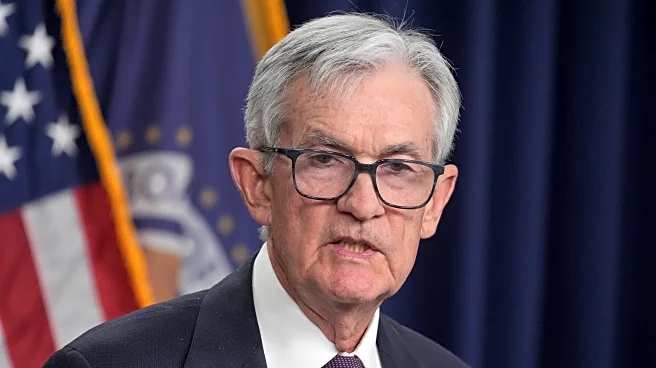
The Federal Reserve is facing a challenging economic environment as a hotter-than-expected wholesale inflation reading for February has led traders to reconsider the likelihood of interest rate cuts this year. The Bureau of Labor Statistics reported that
the producer price index saw its largest increase in a year, prompting futures markets to push back any realistic chance of a rate cut until at least December. The Federal Open Market Committee is expected to maintain its current interest rate levels, with a more hawkish tone anticipated in its statement. The ongoing Iran war and tariffs have contributed to persistent inflation, complicating the Fed's dual mandate of stable prices and low unemployment.
Why It's Important?
The Federal Reserve's decision to potentially delay interest rate cuts has significant implications for the U.S. economy. Persistently high inflation, driven by external factors such as tariffs and geopolitical tensions, poses a challenge to economic stability. Businesses may face increased costs, which could be passed on to consumers, affecting purchasing power and economic growth. The Fed's cautious approach reflects concerns about maintaining price stability while supporting the labor market. The decision will impact financial markets, influencing investor confidence and economic forecasts.
What's Next?
The Federal Reserve's future actions will depend on evolving economic conditions, including inflation trends and labor market performance. If inflation remains high, the Fed may continue to hold rates steady or even consider rate hikes. Conversely, if economic conditions worsen, the Fed could be pressured to adopt an easing stance. Stakeholders, including businesses and policymakers, will closely monitor the Fed's decisions and statements for indications of future monetary policy directions.