
What's Happening?
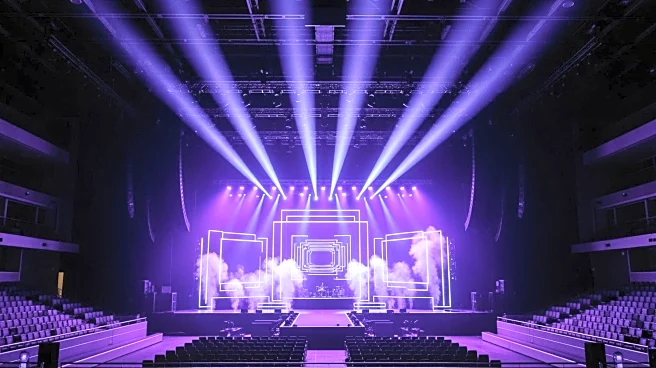
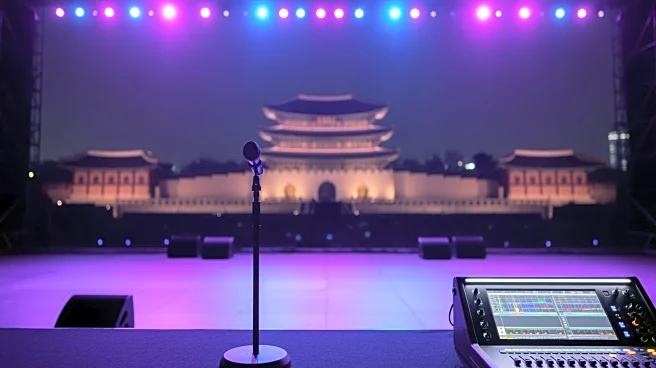
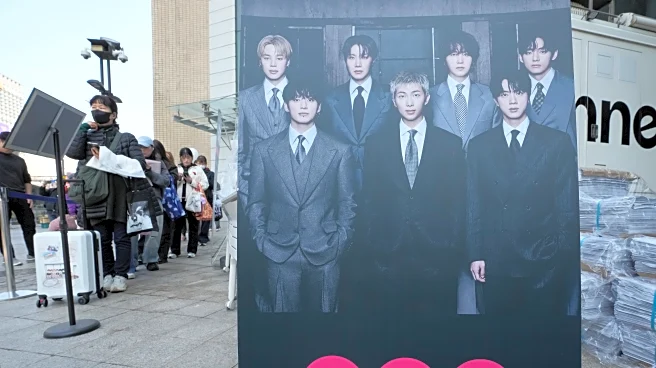
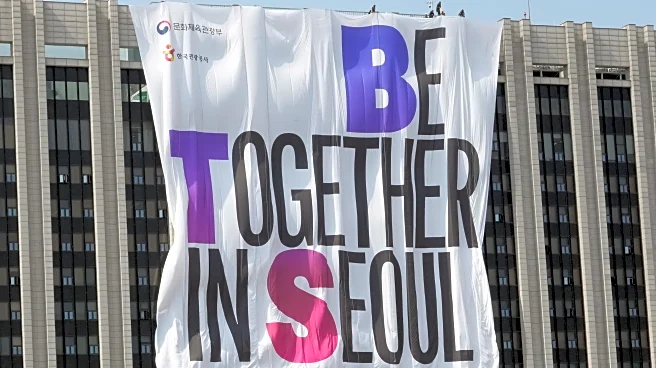
BTS, the globally renowned South Korean music group, has made a significant comeback with their 'Arirang' show, featuring costumes designed by Jay Songzio. The performance, which took place in Gwanghwamun Square, was a highly anticipated event, marking
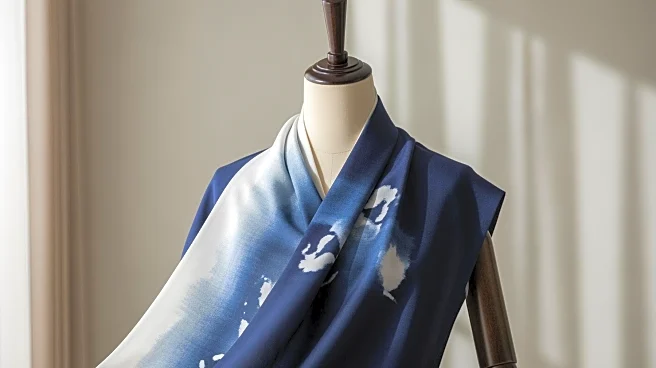
the first time all seven members performed together in years. The costumes, part of a collection titled 'Lyrical Armor,' were inspired by traditional Korean dress and early Joseon-era armor, reimagined with modern, sculptural silhouettes. Each member of BTS was given a unique archetype within the visual narrative, enhancing the performance's storytelling aspect. The collaboration involved extensive input from the BTS members, who participated in the design process to ensure the costumes reflected their individual personalities and the performance's thematic elements.
Why It's Important?
This collaboration between BTS and Jay Songzio highlights the growing trend of integrating traditional cultural elements with contemporary fashion, a movement gaining traction in the global fashion industry. By incorporating traditional Korean aesthetics into modern designs, the project not only celebrates Korean heritage but also positions BTS as cultural ambassadors on the international stage. This approach can influence future fashion trends, encouraging designers to explore and incorporate cultural heritage into their work. Additionally, the collaboration underscores the importance of artist involvement in creative processes, ensuring that performance elements align with personal and thematic narratives, which can enhance audience engagement and appreciation.
What's Next?
Following the success of the 'Arirang' show, there is potential for further collaborations between BTS and Jay Songzio, particularly for upcoming concert tours. The designer has hinted at developing new concepts that may involve both the BTS members and broader costume designs. This ongoing partnership could lead to more innovative fashion statements that continue to blend traditional and modern elements, potentially influencing both the music and fashion industries. Fans and industry observers will likely be keen to see how these collaborations evolve and what new creative directions they might take.
Beyond the Headlines
The 'Arirang' costumes not only serve as a fashion statement but also as a cultural narrative, reflecting Korea's turbulent history and the concept of 'han,' a unique Korean emotion of sorrow and longing. By embodying these themes, the costumes contribute to a deeper understanding of Korean culture and history, offering audiences a richer, more immersive experience. This approach to fashion design can inspire other artists and designers to explore cultural storytelling through their work, potentially leading to a broader appreciation of diverse cultural narratives in the global arts scene.