







What's Happening?
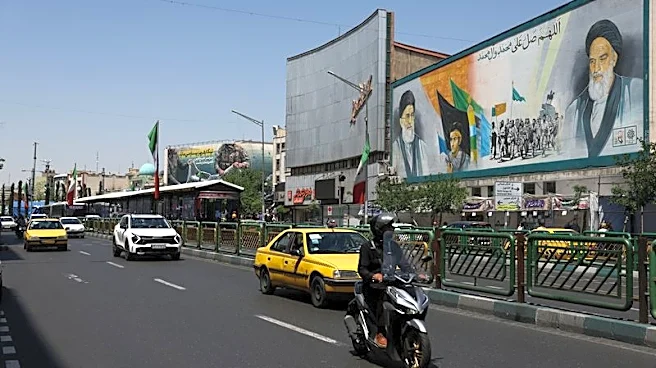
Inflation in the United States has surged to 3.8% in April 2026, marking the highest rate in three years. This increase is primarily due to the disruption of oil shipments through the Strait of Hormuz, a critical chokepoint for global oil transport, amid
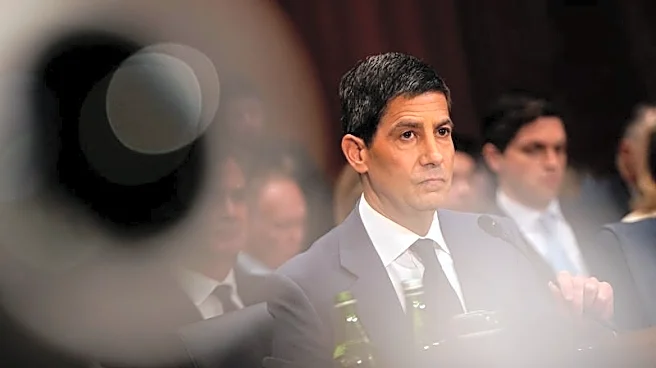
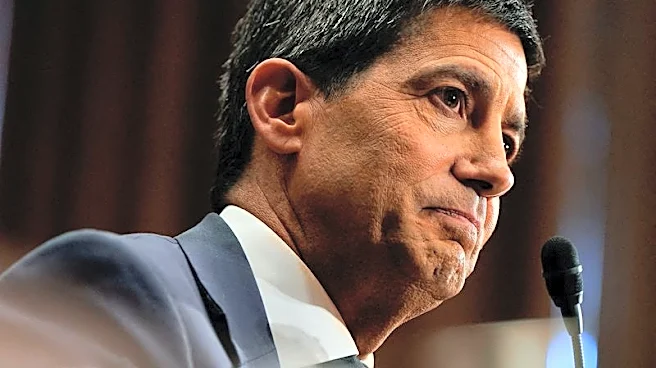
ongoing conflict with Iran. Treasury Secretary Scott Bessent has expressed optimism that this inflationary trend will reverse soon, anticipating 'substantial disinflation' following a few more 'hot inflation numbers.' The Federal Reserve's new chair, Kevin Warsh, is expected to adopt a more effective approach to managing inflation, a persistent issue during the Biden and Trump administrations. The recent inflation spike is viewed as a temporary supply shock, likely to ease as the Strait reopens and oil supplies normalize.
Why It's Important?
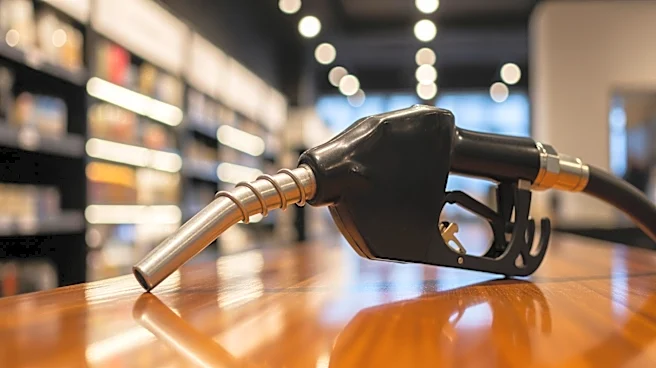
The inflation spike has significant implications for the U.S. economy, affecting consumer prices and potentially influencing monetary policy. Rising oil prices, which contributed to 40% of the April inflation increase, highlight the vulnerability of the U.S. economy to geopolitical tensions and supply chain disruptions. The Federal Reserve's response under Kevin Warsh will be crucial in stabilizing inflation and maintaining economic growth. Businesses and consumers may face short-term challenges due to increased costs, but the anticipated reopening of the Strait of Hormuz could alleviate some of these pressures. The situation underscores the interconnectedness of global events and domestic economic stability.
What's Next?
As the situation with Iran evolves, the reopening of the Strait of Hormuz is expected to stabilize oil prices and, consequently, inflation rates. The Federal Reserve, under Kevin Warsh's leadership, may implement measures to address inflation, balancing the need for economic growth with price stability. Political leaders and economic stakeholders will likely monitor developments closely, with potential policy adjustments to mitigate the impact on consumers and businesses. The resolution of the conflict with Iran could also influence future U.S. foreign policy and economic strategies.