







What's Happening?
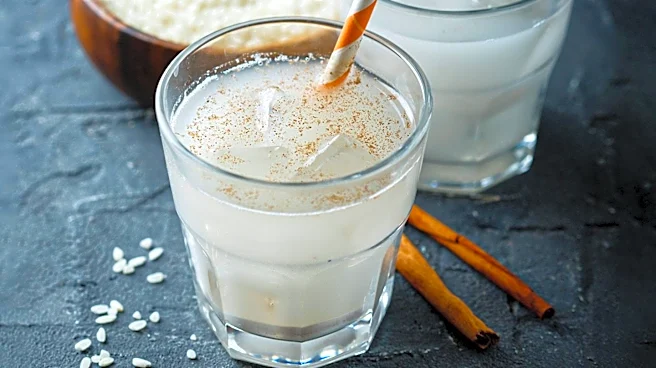
Horchata, a traditional drink from Spain and Mexico, is gaining traction in the U.S. beverage market. Starbucks has reintroduced its iced horchata shaken espresso to its summer menu, alongside a new horchata frappuccino, which has outperformed previous
seasonal offerings. The drink, often compared to cereal milk, is traditionally made from rice and cinnamon or tiger nuts, and is part of the 'aguas frescas' family. In the U.S., horchata is being adapted into various forms, including lattes, cocktails, and desserts. The drink's popularity is reflected in the rise of Google searches for 'horchata' and its variations, indicating a growing interest among consumers.
Why It's Important?
The increasing popularity of horchata in the U.S. reflects broader trends in consumer preferences towards unique and culturally diverse food and beverage options. This trend is significant for the beverage industry as it opens up new market opportunities and encourages innovation in product offerings. Companies like Starbucks are capitalizing on this trend by introducing horchata-based drinks, which could lead to increased sales and customer engagement. Additionally, the adaptation of horchata into various forms, such as cocktails and desserts, highlights the versatility of the drink and its potential to influence other sectors of the food and beverage industry.
What's Next?
As horchata continues to gain popularity, more businesses may introduce their own variations of the drink to capitalize on consumer interest. This could lead to increased competition and innovation within the beverage industry. Additionally, the trend may encourage further exploration of other traditional drinks from different cultures, potentially leading to a more diverse range of offerings in the market. Consumer feedback and sales data will likely influence future product development and marketing strategies for horchata and similar beverages.
Beyond the Headlines
The rise of horchata in the U.S. market also highlights cultural exchange and the growing appreciation for international flavors. This trend may contribute to a broader acceptance and integration of diverse cultural elements into mainstream American culture. Furthermore, the adaptation of traditional drinks like horchata into modern variations could spark discussions about cultural authenticity and appropriation, prompting businesses to consider these aspects in their product development and marketing strategies.