






What's Happening?
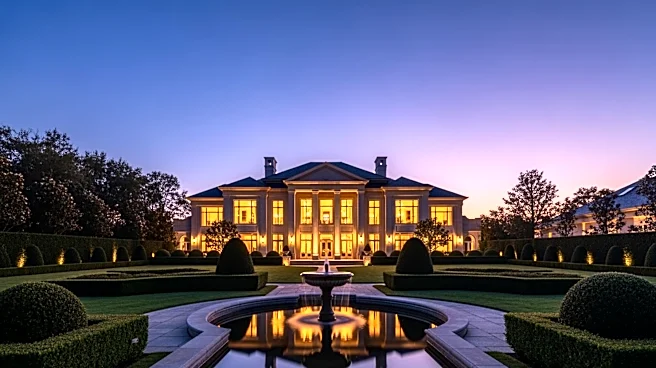
Realtor.com has released its March Luxury Housing Report, highlighting 13 U.S. markets where luxury real estate is the norm, with more than half of all active listings priced at $1 million or above. Nantucket, Massachusetts, leads with 99% of its listings exceeding
this price point, followed by Vineyard Haven, Massachusetts, and Jackson, Wyoming. The report indicates a broader trend of high-end pricing becoming the standard in select resort and island destinations. Despite a slight year-over-year decline in national luxury prices, these markets maintain high thresholds, with the national luxury threshold at the 90th percentile reaching nearly $1.25 million in March.
Why It's Important?
The emergence of these pure luxury markets reflects a significant shift in the U.S. real estate landscape, where geographic and structural scarcity drive prices. This trend highlights the growing demand for high-end properties in specific areas, often driven by lifestyle preferences and limited supply. The concentration of luxury listings in these markets suggests a robust segment of affluent buyers, potentially influencing local economies and real estate practices. As luxury becomes the standard in these areas, it may lead to increased property values and a more competitive market for high-end real estate.
What's Next?
As these luxury markets continue to evolve, potential buyers and investors may need to adjust their strategies to navigate the high price thresholds. Real estate professionals in these areas might focus on catering to the unique demands of affluent clients, emphasizing exclusivity and premium services. Additionally, the trend could prompt further analysis of other potential luxury hubs, as well as discussions on the impact of such concentrated wealth on local communities and infrastructure.
Beyond the Headlines
The rise of pure luxury markets raises questions about accessibility and affordability in the broader housing market. As high-end properties dominate certain areas, there may be implications for middle-income buyers and local residents, potentially leading to discussions on housing policy and zoning regulations. The trend also underscores the importance of understanding market dynamics and the factors driving luxury real estate demand, such as lifestyle preferences and economic conditions.