





What's Happening?
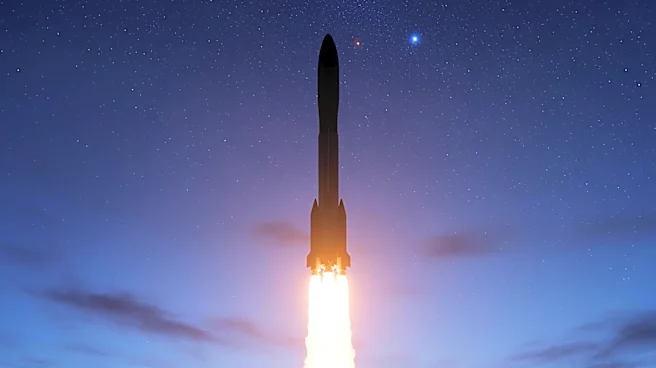
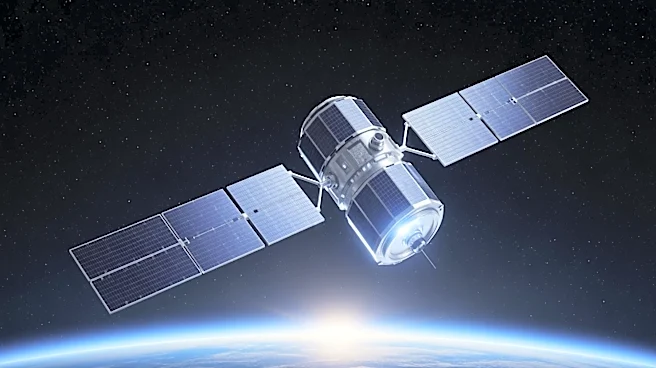
SpaceX is set to launch 45 satellites into orbit from Vandenberg Space Force Base in California on May 3, 2026. The mission, named CAS500-2, is highlighted by the deployment of the CAS500-2 Earth-observation satellite, developed by the Korean Aerospace
Research Institute. This satellite is part of South Korea's program to operate five satellites in low Earth orbit for purposes such as disaster monitoring and crop observation. The launch will be conducted using a Falcon 9 rocket, with the first stage expected to land back at Vandenberg shortly after liftoff. The mission also includes 44 other satellites from various operators, marking a significant event in SpaceX's satellite deployment efforts.
Why It's Important?
This launch underscores SpaceX's pivotal role in satellite deployment and its contribution to international space collaboration. The inclusion of the CAS500-2 satellite highlights the growing importance of Earth observation technologies in addressing global challenges like disaster response and agricultural management. The mission also demonstrates SpaceX's capability in handling complex multi-satellite launches, which is crucial for the company's commercial and governmental partnerships. The successful deployment of these satellites could enhance data collection and analysis capabilities, benefiting industries and governments worldwide.
What's Next?
Following the launch, the CAS500-2 satellite will begin its mission to collect Earth observation data. The successful landing of the Falcon 9's first stage will contribute to SpaceX's efforts to reuse rocket components, potentially reducing costs for future missions. The data collected by the CAS500-2 and other satellites will be analyzed to improve disaster response strategies and agricultural practices. Additionally, SpaceX will continue its series of satellite launches, further solidifying its position as a leader in the aerospace industry.