



What's Happening?
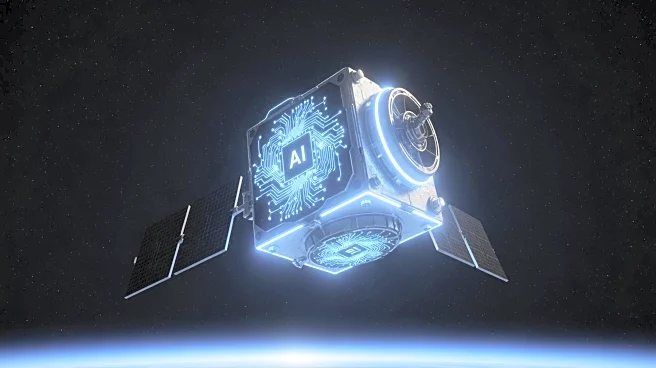
Elon Musk's vision for solar-powered orbital data centers aims to address the growing infrastructure demands of artificial intelligence (AI) by utilizing space-based solutions. These data centers are intended to alleviate the environmental and logistical
pressures faced by Earth-based infrastructures. However, Sam Altman, CEO of OpenAI, has expressed skepticism about the feasibility of this plan within the current decade. Altman highlights the significant costs and technical challenges associated with launching and maintaining such data centers in space. He points out that the expenses of launching and repairing complex hardware like GPUs in orbit could outweigh the benefits. Despite the potential for future viability, Altman believes that these orbital data centers will not be impactful at scale in the near term.
Why It's Important?
The development of orbital data centers represents a significant shift in how AI infrastructure could be managed, potentially reducing the environmental impact of data centers on Earth. If successful, this initiative could lead to more sustainable AI operations by leveraging solar energy in space. However, the skepticism from industry leaders like Altman underscores the economic and technical hurdles that must be overcome. The high costs and logistical challenges could deter investment and slow progress, impacting the pace at which AI infrastructure can evolve sustainably. This debate highlights the tension between innovation and practicality in the tech industry, with significant implications for environmental policy and technological advancement.
What's Next?
The future of orbital data centers will likely depend on advancements in space technology and reductions in launch costs. Stakeholders in the tech industry may need to collaborate on developing hybrid models that combine terrestrial and orbital infrastructures to meet AI demands sustainably. Policymakers and environmental groups may also play a role in shaping the regulatory landscape to support or challenge such initiatives. As the conversation around AI's environmental impact grows, companies like SpaceX may need to address these concerns more comprehensively to gain broader support.