
What's Happening?
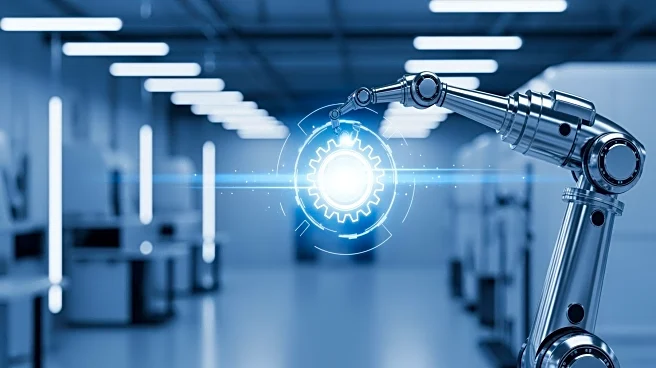
Nvidia has initiated a global virtual hackathon named the Cosmos Cookoff, aimed at accelerating advancements in robotics and physical AI. The event offers a top cash prize of $5,000 and high-performance
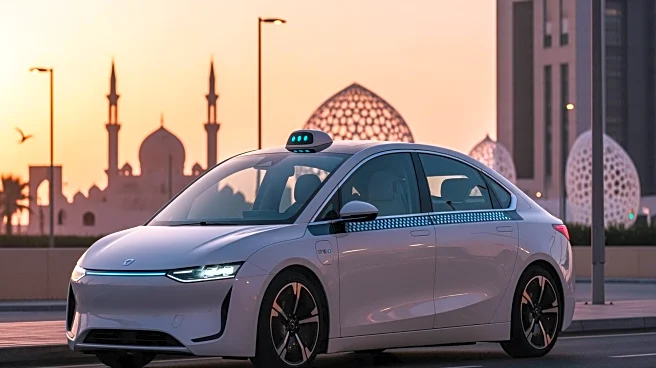
computing hardware. Participants, including developers, researchers, and system builders, are invited to create applications using Nvidia's Cosmos family of world foundation models. These AI systems are designed to enable machines to perceive, reason, and act within physical environments. Registration for the hackathon began on January 29 and will close on February 19, with final project submissions due by February 26. Winners are expected to be announced during the week of March 16. The competition focuses on robotics, autonomous vehicles, and video analytics, encouraging participants to prototype workflows and applications leveraging Nvidia's physical AI models. Judging will be conducted by experts from organizations such as Datature, Hugging Face, Nebius, Nexar, and Nvidia.
Why It's Important?
The hackathon represents a significant push by Nvidia to foster innovation in the field of physical AI, which involves systems capable of interacting with the real world. By offering substantial prizes and resources, Nvidia aims to attract a wide range of participants and stimulate the development of new applications and technologies. This initiative could lead to advancements in various sectors, including transportation, robotic manipulation, and intelligent video analysis. The event also serves to build a developer ecosystem around Nvidia's robotics and autonomy technologies, potentially positioning the company as a leader in the physical AI space. The hackathon's focus on practical applications of AI in physical environments highlights the growing importance of integrating AI with real-world systems.
What's Next?
Following the hackathon, Nvidia is likely to continue expanding its Cosmos platform, which includes the Cosmos Policy, a robot control framework derived from the company's Cosmos Predict world foundation model. This policy is designed to map visual observations to robotic actions, enabling machines to plan tasks and predict future states within dynamic environments. The hackathon could lead to the development of new applications and technologies that leverage Nvidia's models, further enhancing the company's position in the robotics and AI industries. Participants will also gain access to tutorials, partner talks, live Q&A sessions, and technical guidance from Nvidia specialists, which could foster ongoing collaboration and innovation.
Beyond the Headlines
The hackathon underscores the increasing industry focus on physical AI, which contrasts with traditional AI systems that operate solely in digital environments. By promoting the development of AI systems that can interact with the physical world, Nvidia is encouraging a shift towards more practical and impactful AI applications. This could lead to significant advancements in fields such as autonomous vehicles, smart cities, and industrial automation. Additionally, the event highlights the importance of collaboration between technology companies and developers in driving innovation and addressing complex challenges in AI and robotics.