







What's Happening?
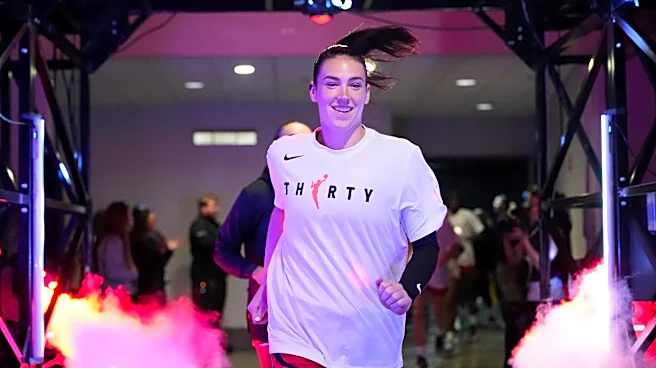
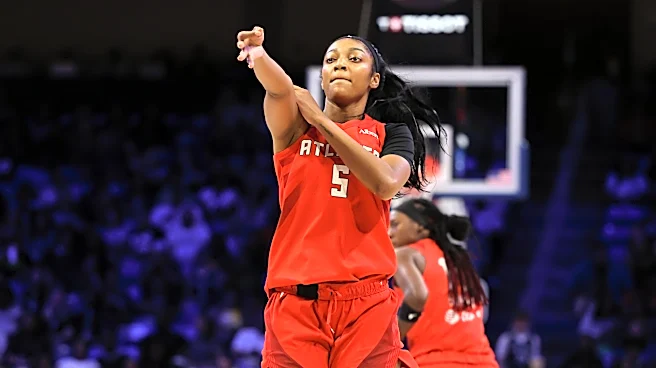
Rookie guard Holly Winterburn was released by the Atlanta Dream just as she was about to make her debut in the WNBA. Winterburn, who had been signed to a training camp contract in February 2025, was waived by the team on May 9, 2026, to make room for
another guard, Aaliyah Nye. This decision came after Winterburn participated in a preseason game against the Washington Mystics, where she scored 12 points and contributed two rebounds, two assists, and two steals in 23 minutes. Despite this setback, Winterburn was quickly picked up by the Portland Fire on a developmental contract, a new option under the league's collective bargaining agreement that allows teams to develop players without them counting towards the 12-player roster limit.
Why It's Important?
The release of Holly Winterburn highlights the competitive and often harsh nature of professional sports, particularly in the WNBA where roster spots are limited. For Winterburn, this move represents both a setback and an opportunity. While being waived by the Dream was a disappointment, her signing with the Portland Fire offers a chance to continue developing her skills in a league that is expanding and evolving. The introduction of developmental contracts is significant as it provides teams with more flexibility to nurture young talent, which could lead to a stronger league overall. This development is crucial for the WNBA as it seeks to grow its talent pool and maintain competitive balance.
What's Next?
Winterburn's journey with the Portland Fire will be closely watched as she aims to secure a permanent spot on the team. The Fire, being an expansion franchise, are likely to focus on developing young players like Winterburn who can contribute in the long term. For the WNBA, the use of developmental contracts could become a key strategy in managing player development and team composition. As the league continues to expand, more teams may adopt this approach to build a robust pipeline of talent.