







What's Happening?
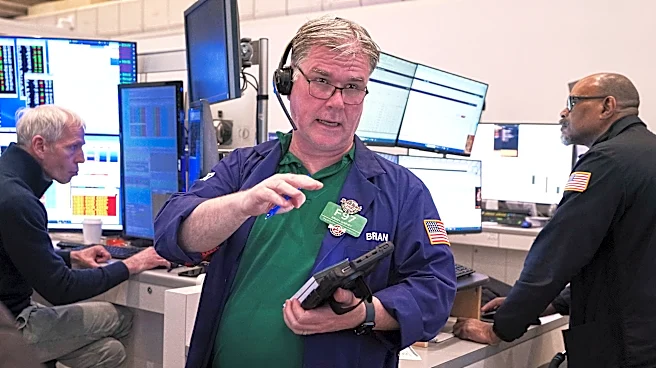
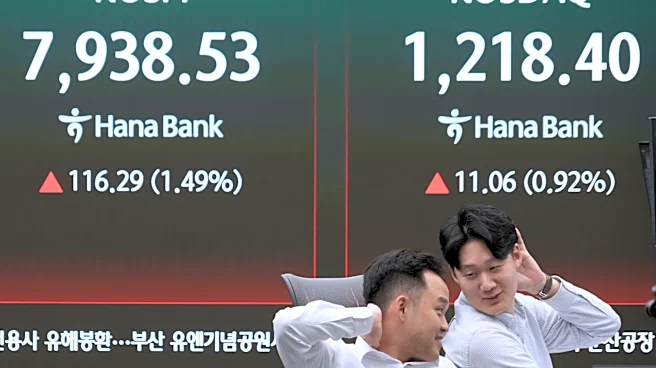
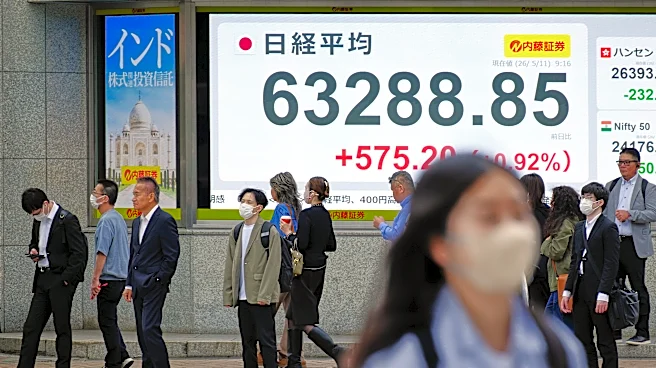
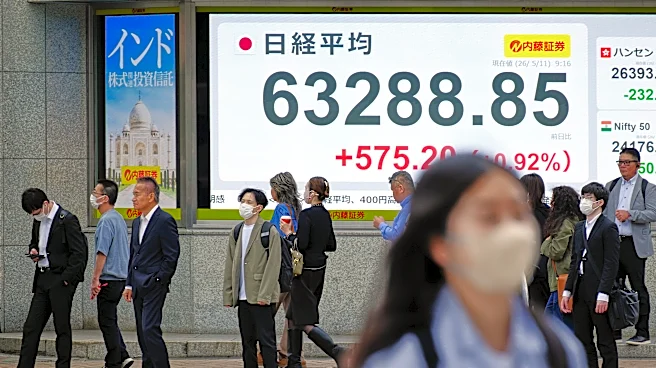
JPMorgan has issued a message of reassurance to its clients who are increasingly concerned about the stock market's volatility. According to a note from the bank's equity trading desk, clients have shifted from a cautious stance to a 'full-blown bearish'
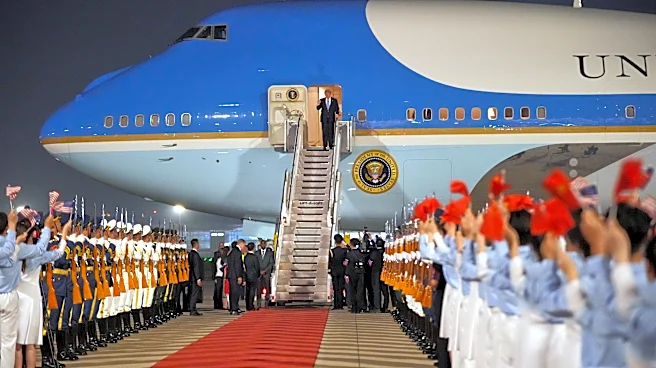
outlook in a short period. This sentiment is driven by stalled talks between the U.S. and Iran, with President Trump indicating that a ceasefire is on 'life support,' and rising inflation concerns. Despite these challenges, JPMorgan maintains a 'tactically bullish' position, citing a resilient macroeconomic environment, strong earnings, and renewed interest in technology. The bank also highlights potential agreements between President Trump and Xi Jinping that could ease tensions and costs, as well as a possible deal to reopen the Strait of Hormuz. Additionally, options market activity suggests further upside potential, with historic call options buying noted by Amy Wu Silverman of the Royal Bank of Canada.
Why It's Important?
The current market sentiment reflects broader economic and geopolitical uncertainties that could impact U.S. financial markets and investor confidence. JPMorgan's stance suggests that despite immediate concerns, underlying economic conditions remain strong, driven by consumer resilience and technological advancements. The potential for geopolitical agreements could further stabilize markets by reducing tensions and associated costs. However, the ongoing inflationary pressures and geopolitical risks underscore the need for cautious optimism. Investors and stakeholders in the financial sector must navigate these complexities, balancing short-term volatility with long-term growth prospects.
What's Next?
Looking ahead, the market will likely respond to developments in U.S.-Iran relations and any progress in negotiations between President Trump and Xi Jinping. Investors will also be closely monitoring inflation trends and their impact on consumer spending and corporate earnings. JPMorgan's advice to remain calm suggests that they anticipate a stabilization of market conditions, provided there are no significant changes in economic fundamentals or geopolitical dynamics. Stakeholders should prepare for potential shifts in market sentiment as these factors evolve.