

What's Happening?
An OpenAI hardware executive resigned on March 7, 2026, following the company's new agreement with the Pentagon. This resignation has caused significant unrest within the tech community, as it highlights concerns over employee trust and corporate ethics.
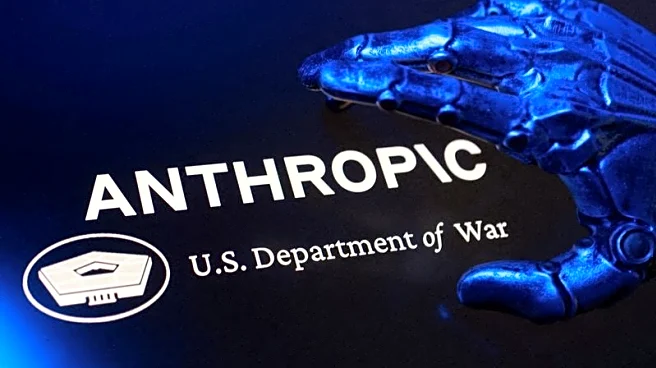
The executive's departure was accompanied by a 295% spike in ChatGPT uninstalls, indicating a sharp decline in consumer trust. The deal with the Pentagon has also led to Anthropic being labeled a supply-chain risk, resulting in legal battles and industry disruption. The resignation and subsequent consumer backlash have sparked a broader debate about the ethical implications of defense contracts and the need for corporate governance.
Why It's Important?
The resignation and the resulting consumer backlash underscore the growing tension between tech companies and their ethical responsibilities, especially when engaging in defense contracts. The sharp increase in ChatGPT uninstalls reflects a significant loss of consumer trust, which could have long-term implications for OpenAI's market position. This situation also highlights the need for clearer corporate governance and ethical guidelines in the tech industry, as companies navigate the complex landscape of national security and consumer privacy. The incident may prompt other tech companies to reevaluate their own policies and partnerships, potentially leading to stricter regulations and oversight.
What's Next?
In response to the backlash, companies may adopt stricter technical controls or slower procurement timelines to regain consumer trust. Regulators might step in to establish clearer rules and guidelines for tech companies engaging in defense contracts. Additionally, there could be increased public pressure on companies to provide guarantees regarding the ethical use of their technologies. If corporate promises fail to reassure employees and consumers, lawmakers may be compelled to introduce new legislation to address these concerns.