






What's Happening?
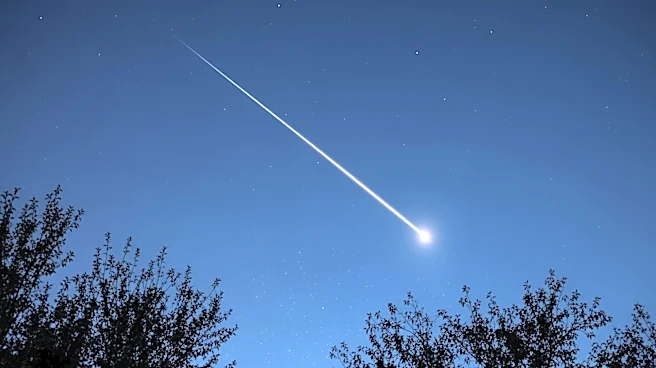
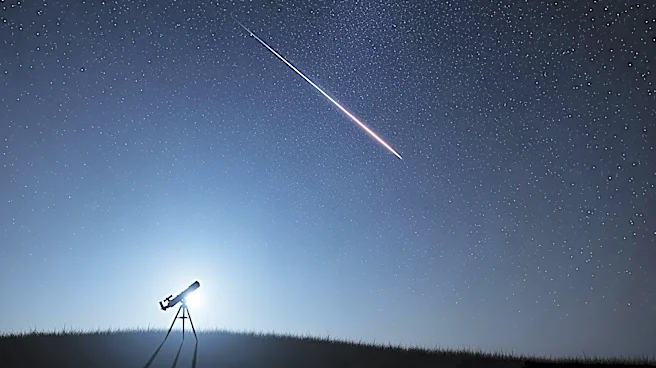
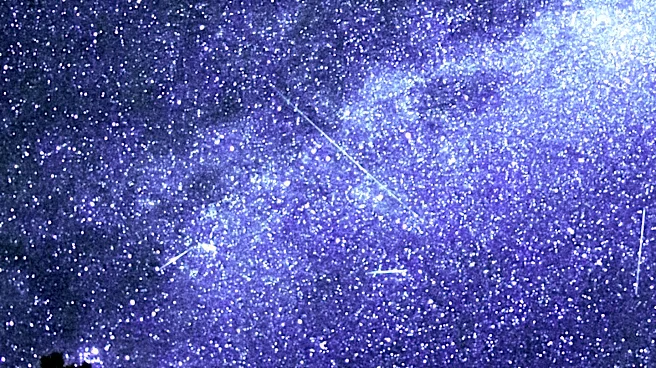
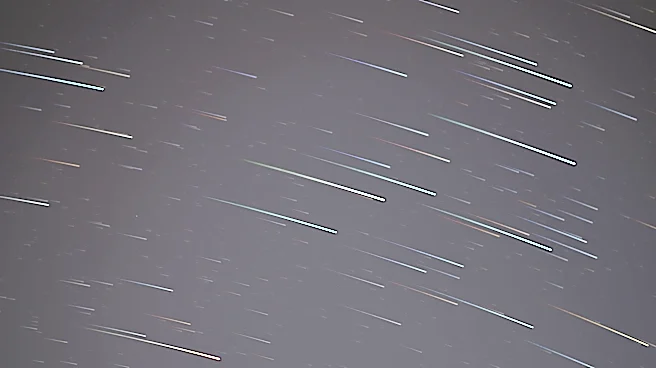
The Lyrid meteor shower, known for its bright and colorful meteors, is currently active and is expected to peak next week. This annual celestial event is associated with Comet Thatcher, which orbits the sun every 415.5 years. The Lyrids are notable for their
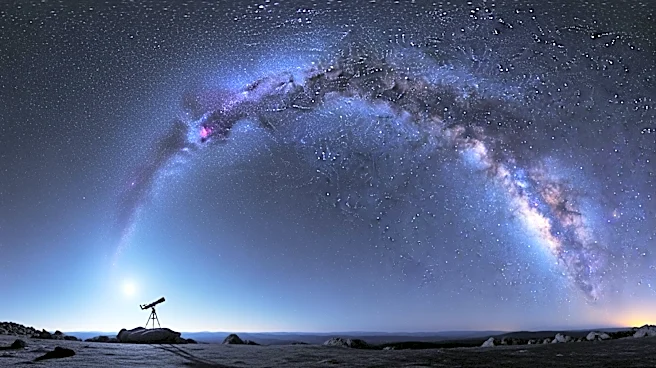
luminous dust trains and can sometimes produce uncommon surges of up to 100 meteors per hour. Following the Lyrids, the Eta Aquarid meteor shower will begin its activity from April 19, 2026, to May 28, 2026, with a peak expected from May 5-6. The Eta Aquarids originate from Halley’s Comet, which was last visible from Earth in 1986 and will return in 2061. Stargazers are advised to look for these meteor showers in dark skies with no moon, ideally using a telescope or binoculars.
Why It's Important?
Meteor showers like the Lyrids and Eta Aquarids offer a unique opportunity for both amateur and professional astronomers to observe and study celestial phenomena. These events not only provide a spectacular visual display but also contribute to scientific understanding of cometary debris and its interaction with Earth's atmosphere. The Lyrids, with their potential for producing fireballs, and the Eta Aquarids, with their connection to the famous Halley’s Comet, are significant for educational outreach and public engagement in astronomy. Such events can inspire interest in space science and foster a greater appreciation for the natural world.
What's Next?
As the Lyrid meteor shower peaks, astronomers and enthusiasts will be closely monitoring the skies for any unusual activity or surges in meteor counts. Following this, attention will shift to the Eta Aquarid meteor shower, which will provide another opportunity for observation and study. Organizations and observatories may host public viewing events to educate and engage the community. Additionally, data collected during these showers can be used for ongoing research into the composition and behavior of cometary debris.