







What's Happening?
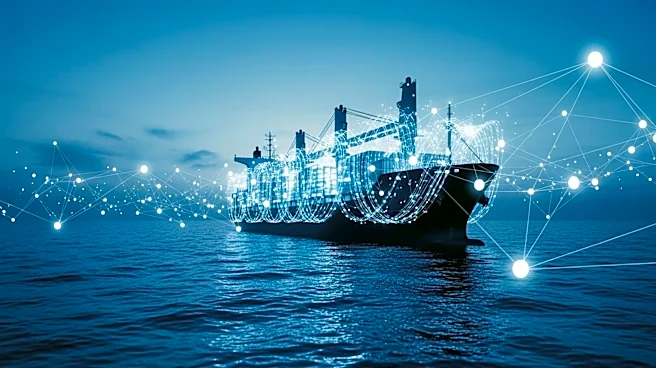
The maritime industry is grappling with the challenge of effectively utilizing the vast amounts of data generated by vessels. At the Connecticut Maritime Association's Shipping 2026 conference, industry leaders highlighted the issue of data overload,
where ships continuously transmit data ashore via satellite networks. Despite the availability of data, its fragmentation across various platforms limits its usefulness. The International Maritime Organization (IMO) has approved a Strategy on Maritime Digitalization to address these challenges, focusing on interoperability and data governance. Companies like DNV and Lloyd's Register are developing platforms to aggregate and distribute vessel data, aiming to create a unified ecosystem for decision-making. However, the integration of data remains a significant hurdle, with concerns about transparency and accountability affecting operational levels.
Why It's Important?
The effective use of data in the maritime industry is crucial for improving operational efficiency and meeting emissions regulations. As the industry moves towards digitalization, the ability to integrate and utilize data can significantly impact decision-making processes, reducing operational risks and enhancing profitability. The push for a 'single source of truth' in data management is essential for streamlining operations and ensuring compliance with regulatory frameworks. However, the human element remains a challenge, as increased transparency and real-time monitoring can lead to resistance from operational staff. The success of maritime digitalization will depend on balancing technological advancements with the needs and concerns of the workforce.
What's Next?
The maritime industry is expected to continue its efforts towards data integration and digitalization. Companies are likely to invest in platforms and partnerships that facilitate data sharing and collaboration. The development of artificial intelligence (AI) solutions, such as those offered by Orca AI, may play a role in enhancing data analytics and automation. However, the industry must address the cultural and operational challenges associated with increased transparency and accountability. As regulatory scrutiny intensifies, the need for effective data management will become even more critical, driving further innovation and collaboration among industry stakeholders.
Beyond the Headlines
The digital transformation of the maritime industry has broader implications for global trade and environmental sustainability. Effective data management can lead to more efficient shipping routes, reduced fuel consumption, and lower emissions, contributing to global efforts to combat climate change. Additionally, the integration of data across the supply chain can enhance logistics and improve the overall efficiency of global trade. However, the shift towards digitalization also raises ethical and privacy concerns, particularly regarding the monitoring of crew activities and the potential for increased surveillance. The industry must navigate these challenges to ensure a sustainable and equitable digital future.