
What's Happening?
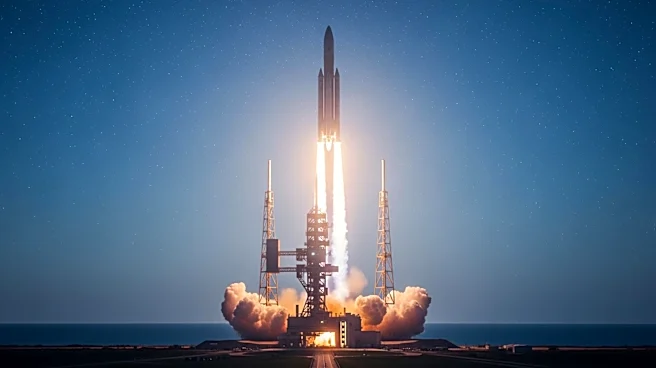
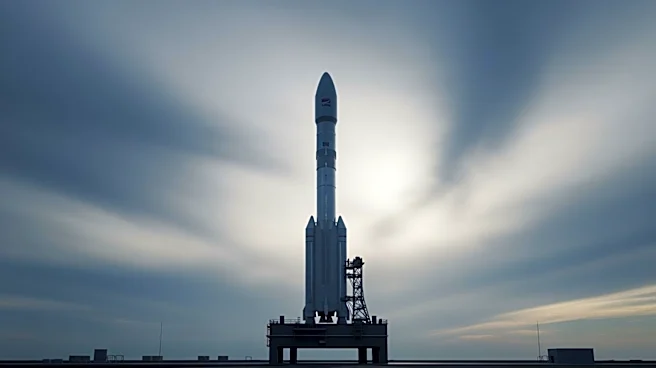
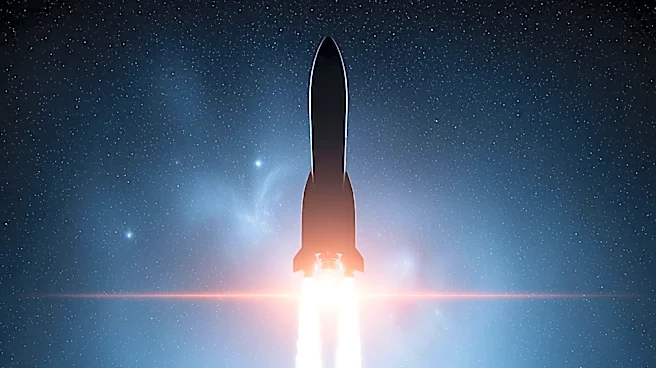
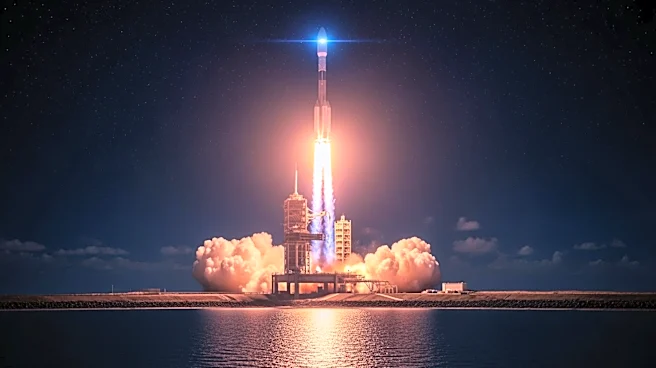
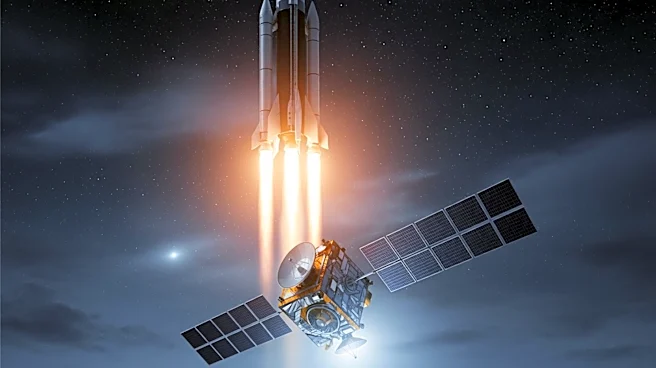
SpaceX's Falcon Heavy rocket successfully launched the ViaSat-3 F3 satellite, a 6-ton communications satellite, from Launch Complex 39A. The launch marks the 12th flight of the Falcon Heavy since 2018.
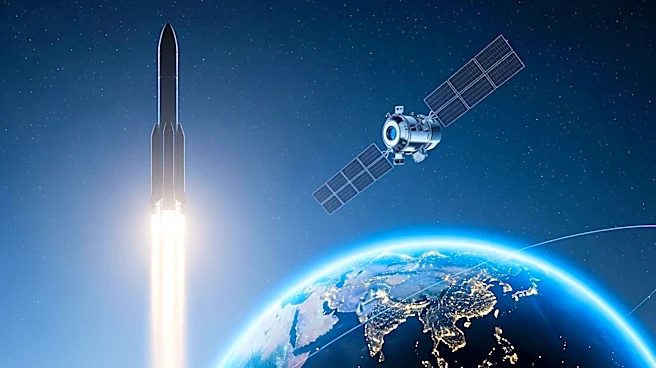
The rocket's 27 Merlin engines propelled the satellite into a geosynchronous transfer orbit. The mission included the successful landing of the side boosters at Cape Canaveral Space Force Station, while the center core was not recovered. The ViaSat-3 F3 satellite is the third and final member of the ViaSat-3 constellation, designed to provide high-capacity internet coverage over the Asia-Pacific region.
Why It's Important?
The successful deployment of the ViaSat-3 F3 satellite is a significant milestone for Viasat, enhancing its ability to provide high-speed internet services across the Asia-Pacific region. The satellite's advanced technology allows for flexible capacity allocation, meeting the growing demand for internet connectivity in the region. This launch also demonstrates SpaceX's continued leadership in the commercial space sector, showcasing the capabilities of the Falcon Heavy rocket in delivering large payloads to orbit. The mission's success is crucial for Viasat's competitive positioning in the global satellite internet market.
What's Next?
Following the launch, the ViaSat-3 F3 satellite will undergo a two-month orbit-raising phase before reaching its operational position. The satellite will then begin providing internet services, with a focus on airline customers in the Asia-Pacific region. Viasat's ability to deliver flexible and high-capacity internet services will be closely monitored by industry stakeholders, as it could influence future satellite deployments and partnerships. The successful operation of the ViaSat-3 constellation will be pivotal in meeting the increasing demand for global internet connectivity.