










What's Happening?
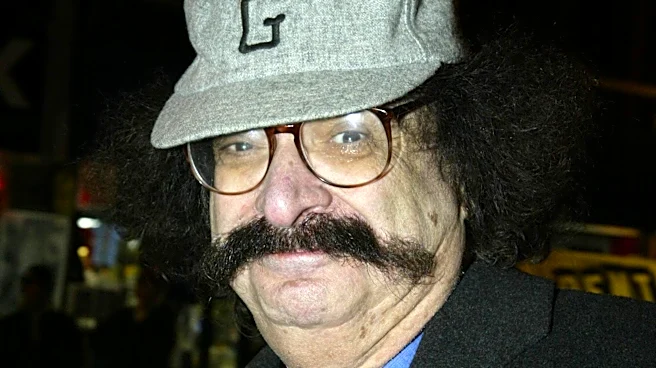
Gene Shalit, the renowned film critic known for his extensive tenure on NBC's 'Today' show, has died at the age of 100. Shalit, who became a beloved figure in American media, was celebrated for his pun-filled reviews and distinctive on-air persona, characterized
by his handle-bar mustache, glasses, and bow ties. His career began in print journalism, contributing to publications such as Ladies Home Journal and The New York Times, before joining the 'Today' show in 1970. Shalit became a full-time book and film critic three years later, a role he held for over three decades. His reviews, often more generous than those of his contemporaries, were a staple of the show, and he was known for his humorous and engaging style. Shalit also conducted interviews with numerous Hollywood stars, further cementing his status as a media personality. His persona inspired parodies on shows like 'Saturday Night Live' and 'SpongeBob SquarePants.'
Why It's Important?
Gene Shalit's passing marks the end of an era in film criticism, particularly for television audiences who grew up watching his reviews on 'Today.' His unique approach to film criticism, which combined humor with insightful commentary, set him apart from other critics and made him a household name. Shalit's influence extended beyond his reviews, as he played a significant role in shaping public perceptions of films and filmmakers during his time. His style, which often favored entertainment value over harsh critique, resonated with a broad audience, highlighting the evolving nature of media consumption and criticism. Shalit's legacy is a testament to the impact of personality-driven media figures in shaping cultural discourse.
What's Next?
As the media landscape continues to evolve, Shalit's passing may prompt reflections on the role of traditional film criticism in the digital age. With the rise of social media and online platforms, the way audiences engage with film reviews has changed significantly. Shalit's career serves as a reminder of the power of television as a medium for cultural commentary and the importance of adapting to new forms of media. Future critics may draw inspiration from Shalit's ability to connect with audiences through humor and personality, even as they navigate the challenges of a rapidly changing media environment.
Beyond the Headlines
Gene Shalit's career highlights the broader cultural shifts in media and entertainment over the past several decades. His approach to film criticism, which often prioritized entertainment and accessibility, reflects a time when television was a dominant force in shaping public opinion. As media consumption becomes increasingly fragmented, Shalit's legacy underscores the enduring appeal of charismatic media figures who can engage audiences across different platforms. His work also raises questions about the balance between critical analysis and entertainment in media, a topic that remains relevant as audiences seek diverse perspectives in their cultural consumption.