



What's Happening?
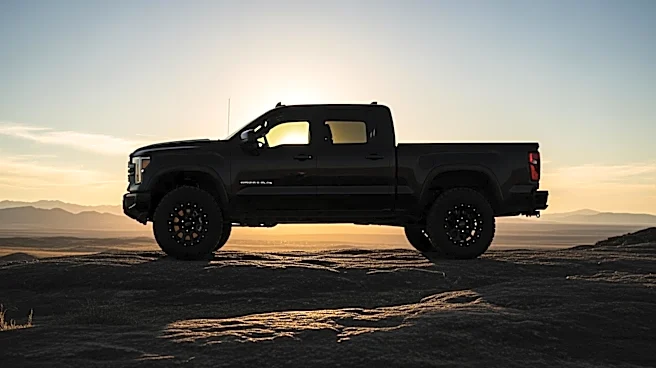
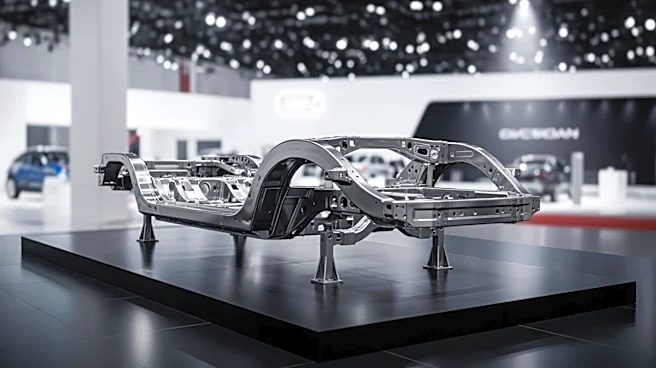
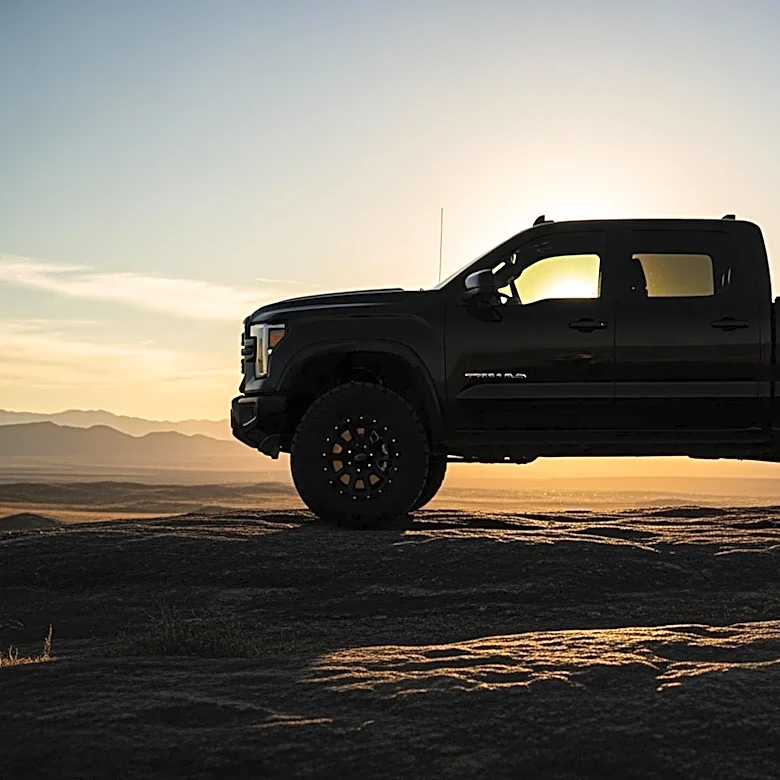
Hyundai has unveiled its plans to produce body-on-frame vehicles in the United States, marking a significant expansion in its manufacturing capabilities. This announcement was made at the New York International Auto Show, where Hyundai also revealed the Boulder
off-road SUV concept. The move is part of Hyundai's strategy to become a full-line automaker, expanding its product offerings to include more robust vehicles suitable for off-road and heavy-duty use. The body-on-frame design is typically used in trucks and SUVs, providing greater durability and strength, which is essential for off-road and towing capabilities. This strategic shift is expected to enhance Hyundai's competitiveness in the U.S. market, particularly in the SUV and truck segments, which are highly popular among American consumers.
Why It's Important?
Hyundai's decision to produce body-on-frame vehicles in the U.S. is significant for several reasons. Firstly, it represents a commitment to increasing its manufacturing presence in the United States, which could lead to job creation and economic benefits in the regions where these vehicles will be produced. Additionally, by expanding its product lineup to include more rugged vehicles, Hyundai is positioning itself to capture a larger share of the lucrative SUV and truck market in the U.S. This move could also enhance Hyundai's brand image as a versatile automaker capable of producing a wide range of vehicles, from compact cars to heavy-duty trucks. Furthermore, the introduction of the Boulder off-road SUV concept indicates Hyundai's intention to appeal to adventure-seeking consumers who prioritize durability and off-road capabilities.
What's Next?
As Hyundai moves forward with its plans to produce body-on-frame vehicles in the U.S., the company will likely focus on establishing or expanding manufacturing facilities to accommodate the new production lines. This could involve significant investment in infrastructure and workforce training. Additionally, Hyundai may engage in marketing campaigns to promote its new lineup of vehicles, highlighting their durability and off-road capabilities to attract consumers interested in adventure and utility. The success of this initiative will depend on Hyundai's ability to effectively compete with established players in the SUV and truck market, such as Ford and General Motors, which have long dominated these segments.