



What's Happening?
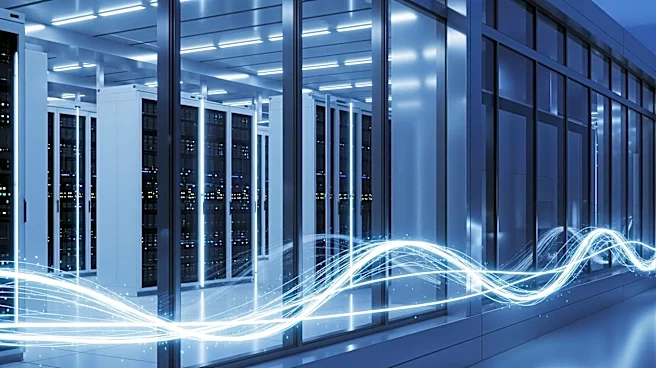
U.S. utility companies are set to invest $1.4 trillion over the next five years to upgrade the power grid, driven by the rapid expansion of data centers. According to a report by PowerLines, this investment is necessary to meet the growing electricity
demands of data centers, which are increasingly used for artificial intelligence computing. The expansion has sparked concerns among communities about potential increases in utility bills, as companies often pass infrastructure costs onto consumers. The report highlights that data centers consumed over 4% of U.S. electricity in 2023, a figure projected to rise to 9% by 2030.
Why It's Important?
The significant investment in the power grid underscores the critical role of data centers in the modern economy, particularly in supporting AI and other tech advancements. However, the financial burden of these upgrades may fall on consumers, potentially leading to higher utility bills. This situation highlights the tension between technological progress and its socioeconomic impacts, as communities grapple with the costs associated with infrastructure improvements. The outcome of this investment will have implications for energy policy, consumer costs, and the pace of technological adoption.
What's Next?
State utility regulators will play a crucial role in determining the extent to which these costs are passed on to consumers. Effective oversight could mitigate the financial impact on households, while also ensuring that the necessary infrastructure improvements are made. Additionally, data centers could help offset some costs by providing utilities with additional revenue streams. The ongoing dialogue between utilities, regulators, and communities will shape the future landscape of energy consumption and infrastructure development in the U.S.