


What's Happening?
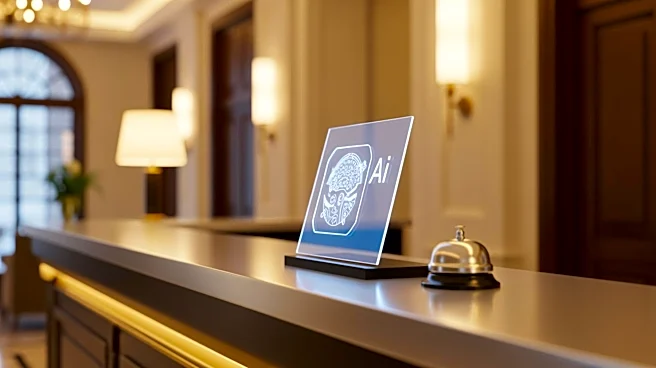
The hospitality industry is undergoing a transformation with the integration of AI systems designed to enhance operational efficiency while preserving the human experience. Arran Campolucci-Bordi, owner of Casa Italia, highlights the evolution from manual
processes to digital systems and now AI-driven operations. AI tools are being used to manage reservations, respond to customer inquiries, and streamline communication, allowing staff to focus on delivering exceptional service. This shift is seen as a way to align technology with the core objectives of hospitality, enhancing customer satisfaction and operational efficiency.
Why It's Important?
The integration of AI in hospitality represents a significant shift in how businesses operate, offering potential time savings and improved customer service. By automating routine tasks, AI allows staff to focus on direct customer engagement, enhancing the overall experience. This transformation is crucial for the industry as it adapts to changing customer expectations and the demand for quick, accurate responses. The adoption of AI tools can lead to increased efficiency, reduced operational costs, and a competitive advantage in a rapidly evolving market.
What's Next?
As AI continues to be integrated into hospitality operations, businesses will need to evaluate the impact on customer experience and staff roles. The focus will be on finding the right balance between technology and human interaction, ensuring that AI complements rather than replaces the personal touch that defines hospitality. Future developments may include more advanced AI systems capable of handling complex interactions and providing personalized experiences, further enhancing customer satisfaction and loyalty.
Beyond the Headlines
The adoption of AI in hospitality raises questions about the ethical implications of technology replacing human roles and the potential impact on employment. It also highlights the importance of transparency and simplicity in technology adoption, ensuring that businesses understand how AI systems work and can effectively integrate them into their operations. The shift towards AI-driven operations reflects broader changes in consumer behavior and expectations, emphasizing the need for businesses to adapt to remain competitive.