







What's Happening?
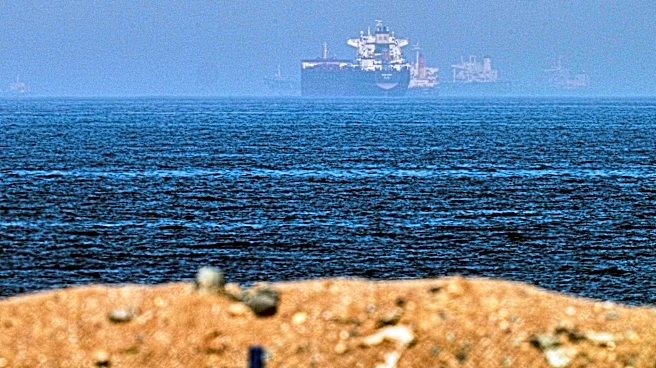
Goldman Sachs analysts have raised concerns about emerging shortages in specific refined oil products, despite overall oil inventories remaining above critical levels. The disruptions in the Strait of Hormuz, a key energy shipping route, have led to a global
scramble for oil, but the real issue lies in the depletion of refined products like jet fuel, naphtha, and liquefied petroleum gas. These shortages are affecting aviation and industrial supply chains, with global commercial refined product stocks falling to about 45 days of demand. The situation is exacerbated by refining bottlenecks and trade disruptions, which prevent surpluses in one location from offsetting shortages elsewhere.
Why It's Important?
The shortages in refined oil products have significant implications for global industries, particularly aviation and petrochemicals. As jet fuel supplies tighten, airlines are forced to cancel flights, impacting travel and logistics. The depletion of petrochemical feedstocks like naphtha affects the production of plastics and chemicals, which are essential for various industries. The situation highlights the vulnerabilities in global supply chains and the need for strategic reserves and diversified supply sources. The rising prices of crude oil, driven by geopolitical tensions, further complicate the economic landscape, potentially leading to increased costs for consumers and businesses.
What's Next?
The global energy markets are likely to remain volatile as the situation in the Strait of Hormuz evolves. Efforts to stabilize the supply of refined products may involve increasing refining capacity, securing alternative supply routes, and enhancing international cooperation to manage trade disruptions. The aviation industry and other affected sectors may need to explore contingency plans to mitigate the impact of fuel shortages. Policymakers and industry leaders will need to closely monitor the situation and adapt strategies to ensure energy security and economic stability.