




What's Happening?
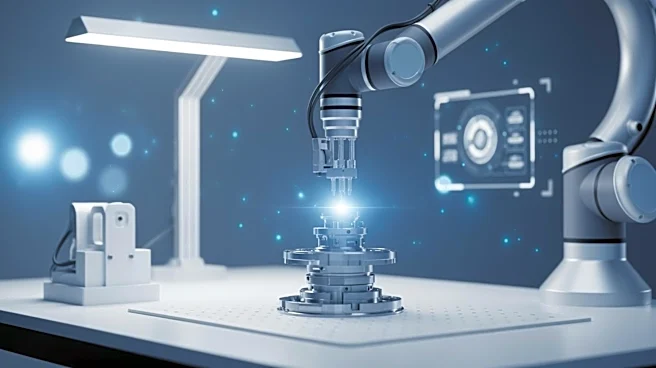
The consumer products industry is undergoing significant changes due to rising costs, tighter supply chains, and a major workforce transition. Companies are increasingly adopting AI-powered manufacturing and industrial intelligence to navigate these challenges.
Notable examples include Starbucks, which is standardizing quality and compliance, and Hill’s Pet Nutrition, which has managed to lift output and reduce waste by nearly 30%. Agropur has also scaled integrated planning and execution across 15 sites in just 18 months. These companies are not only managing change but actively driving it, leveraging smart manufacturing to turn market disruptions into competitive advantages.
Why It's Important?
The shift towards AI-powered manufacturing in the consumer products sector is crucial as it addresses several pressing issues such as cost management, supply chain efficiency, and workforce optimization. By adopting these technologies, companies can enhance productivity, reduce waste, and maintain high standards of quality and compliance. This transformation is particularly significant in the current economic climate, where businesses face unprecedented challenges. The ability to adapt and innovate using AI and industrial intelligence can provide a competitive edge, ensuring sustainability and growth in a volatile market. This trend also highlights the increasing importance of technology in traditional industries, potentially reshaping the future of manufacturing and consumer goods.
What's Next?
As more companies in the consumer products industry adopt AI-powered manufacturing, we can expect a broader transformation across the sector. This may lead to increased investments in technology and innovation, as well as a shift in workforce dynamics, with a greater emphasis on tech-savvy skills. Regulatory bodies might also begin to establish new standards and guidelines to ensure the ethical and effective use of AI in manufacturing. Additionally, consumer expectations may evolve, with a growing demand for transparency and sustainability in product sourcing and production processes. The industry could see a wave of collaborations and partnerships aimed at accelerating technological adoption and sharing best practices.
Beyond the Headlines
The integration of AI in manufacturing raises important ethical and cultural considerations. As automation increases, there may be concerns about job displacement and the need for workforce retraining. Companies will need to balance technological advancements with social responsibility, ensuring that employees are equipped with the necessary skills to thrive in a tech-driven environment. Furthermore, the reliance on AI and data analytics could lead to privacy and security challenges, necessitating robust measures to protect sensitive information. The cultural shift towards embracing technology in manufacturing also reflects a broader societal trend towards digital transformation, influencing consumer behavior and expectations.