






What's Happening?
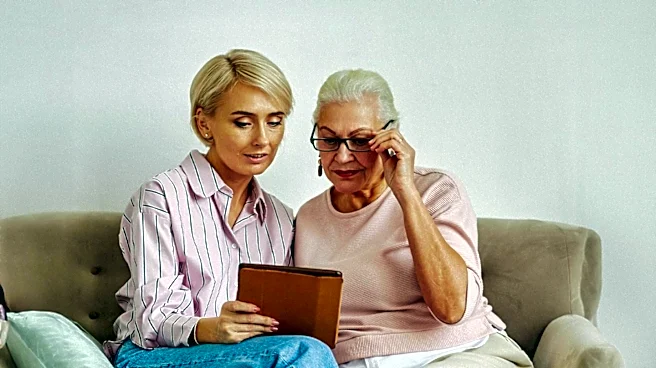
As the American population ages, there is a growing emphasis on 'aging in place,' which refers to seniors living safely and independently in their own homes for as long as possible. This trend is supported by various technological advancements designed
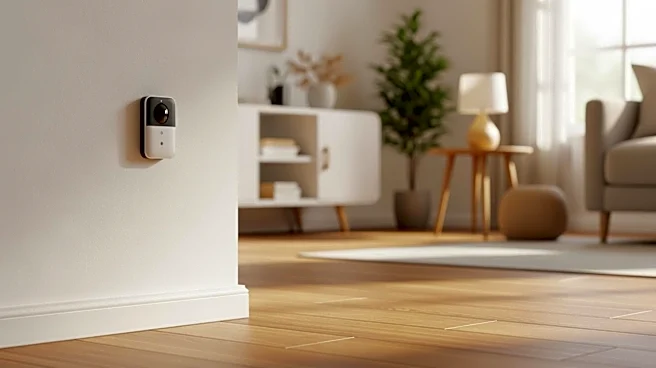
to address the unique challenges faced by older adults. According to experts, smart devices such as health-monitoring wearables, medication dispensers, and voice assistants are increasingly being integrated into seniors' daily lives. These technologies not only help seniors manage their health and safety but also provide peace of mind to their families. For instance, smart medication dispensers can reduce the risk of medication errors, while voice assistants like Amazon's Alexa can help seniors maintain routines by setting reminders and alarms. Additionally, smart home devices such as smart plugs and bulbs enhance safety by allowing remote control of lighting and appliances, thereby reducing fall risks.
Why It's Important?
The integration of technology into the lives of seniors is crucial as it supports their independence and quality of life. With the U.S. population living longer, there is an increasing need for solutions that allow seniors to remain in their homes rather than moving to assisted living facilities. This not only benefits the seniors by preserving their autonomy and dignity but also alleviates the emotional and financial burden on families and the healthcare system. Moreover, these technologies can lead to earlier detection of health issues, potentially reducing emergency visits and hospitalizations. As such, the adoption of these tools is a significant step towards addressing the challenges of an aging population and ensuring that seniors can live comfortably and safely in their own homes.
What's Next?
As technology continues to evolve, we can expect further innovations aimed at enhancing the independence and safety of seniors. Future developments may include more advanced health monitoring systems and AI-driven solutions that can predict and prevent potential health issues. Additionally, there may be increased collaboration between tech companies and healthcare providers to create integrated systems that offer comprehensive support for seniors. Policymakers and community organizations may also play a role in promoting the adoption of these technologies through education and subsidies, ensuring that all seniors have access to the tools they need to age in place successfully.
Beyond the Headlines
The rise of technology for seniors also raises important ethical and privacy considerations. As these devices collect and store personal data, there is a need for robust security measures to protect seniors from potential breaches and misuse of their information. Furthermore, there is a cultural shift as society adapts to the idea of technology playing a central role in caregiving. This shift requires ongoing dialogue about the balance between human interaction and technological assistance in the care of older adults.