





What's Happening?
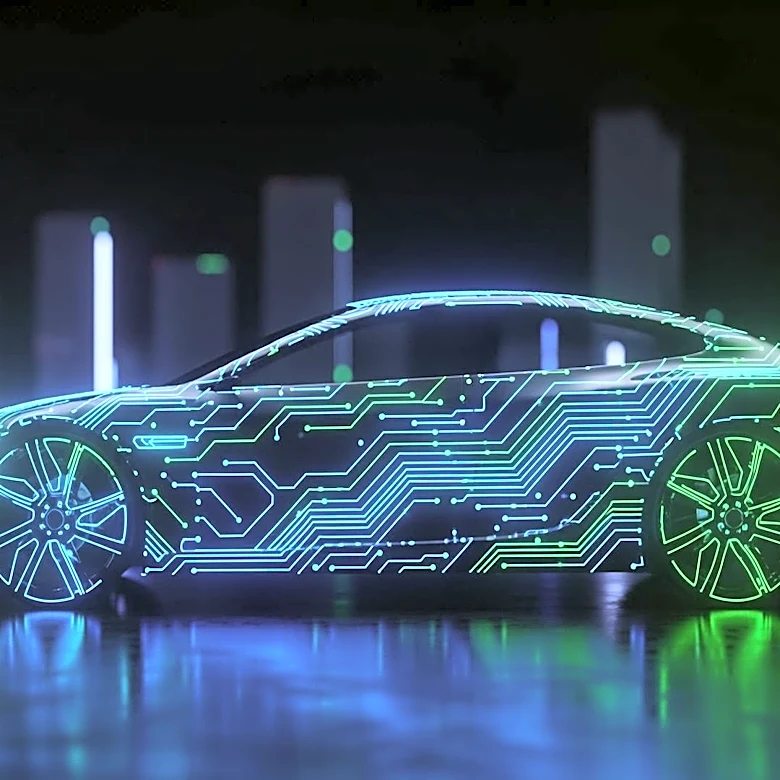
The concept of software-defined vehicles (SDVs) is reshaping the automotive industry by allowing cars to receive updates and new features through over-the-air (OTA) software updates. Unlike traditional vehicles, which rely on fixed hardware, SDVs use
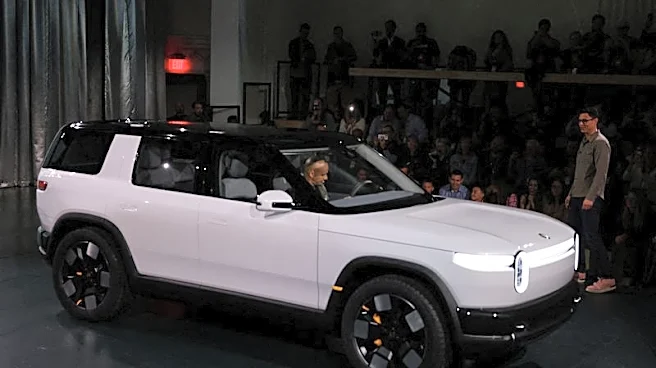
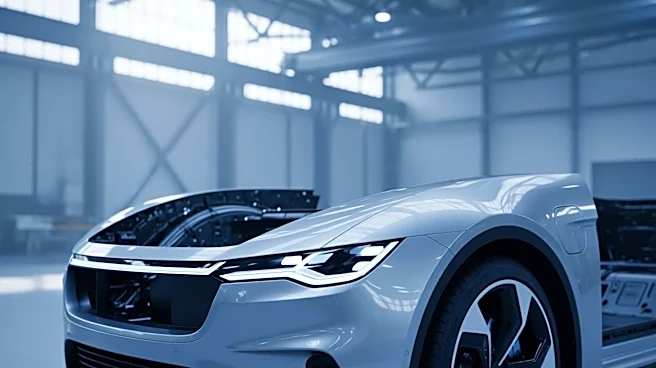
flexible software to control core functions such as powertrain, suspension, and infotainment systems. This shift enables automakers to enhance vehicle performance and add new capabilities without requiring physical modifications. Companies like Tesla and Rivian have pioneered this approach, and legacy automakers are following suit with platforms like General Motors' Ultifi.
Why It's Important?
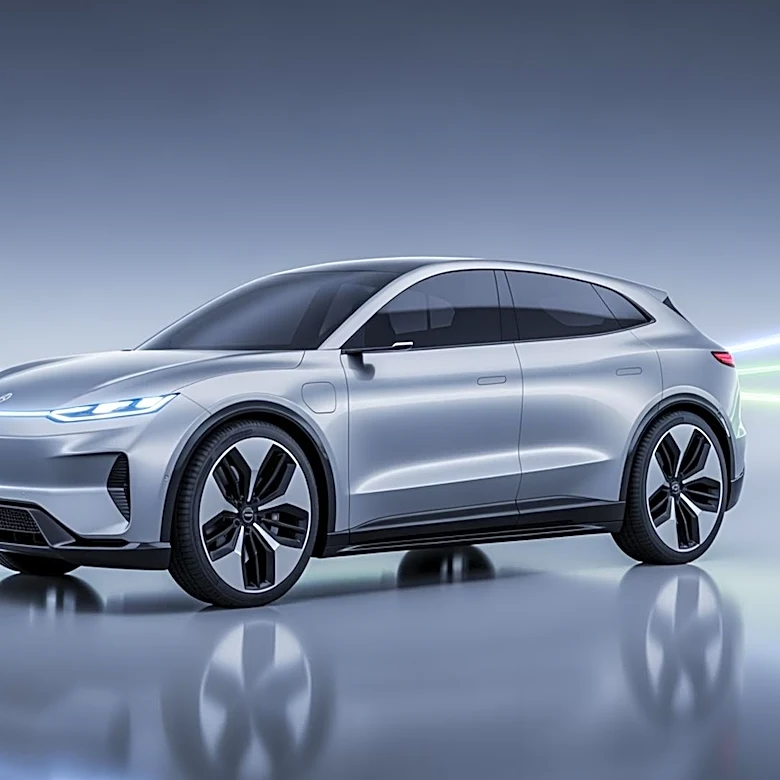
The transition to software-defined vehicles represents a significant evolution in automotive technology, offering consumers enhanced convenience and flexibility. By enabling continuous updates, automakers can improve vehicle performance, safety, and user experience over time, potentially extending the lifespan of vehicles. However, this shift also raises questions about ownership and control, as features may be locked behind subscriptions, and long-term support for older models could become a concern. The industry must navigate these challenges while capitalizing on the benefits of SDVs.