



What's Happening?
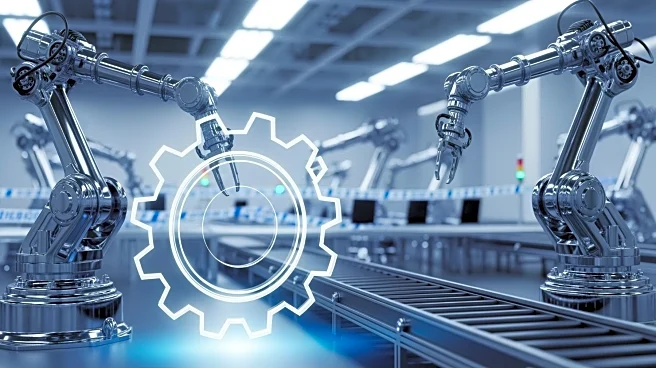
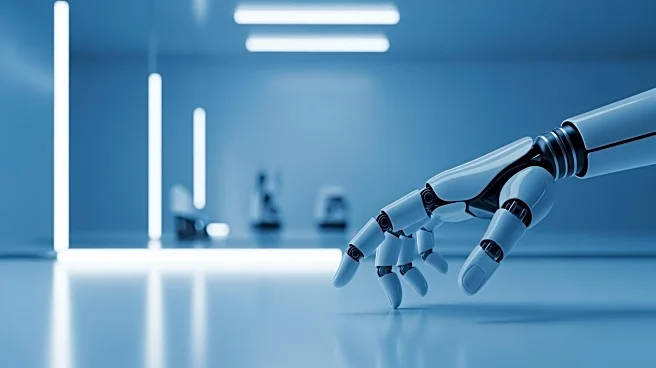
BMW is advancing its exploration into humanoid robotics, launching a test project in Germany following successful implementations in the United States. This initiative is part of a broader trend among automakers to integrate humanoid robots into manufacturing
processes to enhance flexibility and efficiency. The move aligns with BMW's strategy to innovate within its production lines, potentially setting a new standard in automotive manufacturing. The company is among several in the industry, including Hyundai and Tesla, that are investing in robotic technology to streamline operations and reduce reliance on human labor.
Why It's Important?
The expansion of humanoid robotics in manufacturing represents a significant shift in the automotive industry, potentially leading to increased production efficiency and reduced costs. For BMW, this could mean a competitive edge in the market, as the integration of advanced robotics may allow for more adaptable and efficient production lines. This development could also influence labor dynamics, as the reliance on robots might reduce the need for human workers in certain roles, prompting discussions about the future of employment in manufacturing. Additionally, the success of such initiatives could spur further investment in robotics across various sectors, accelerating technological advancements and reshaping industrial operations.
What's Next?
As BMW continues to test and refine its humanoid robotics technology, the company may expand its use across more of its global manufacturing facilities. This could lead to further innovations in production techniques and potentially influence other automakers to adopt similar technologies. Stakeholders, including labor unions and industry analysts, will likely monitor these developments closely, assessing the impact on jobs and the broader industry. Regulatory bodies may also become involved to ensure that the integration of robotics complies with labor laws and safety standards.