



What's Happening?
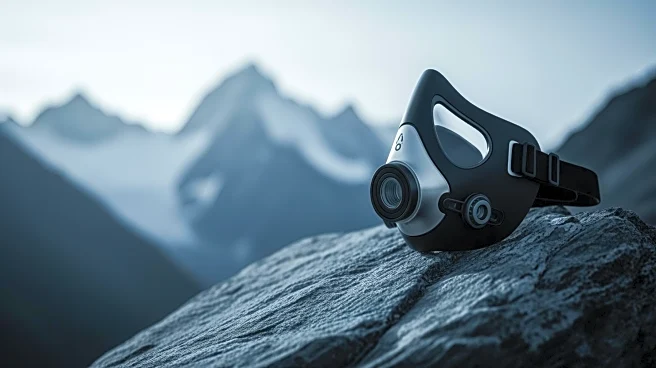
Sivert Bakken, a 27-year-old biathlete, was found deceased with his hypoxic mask set to simulate conditions at 7,000 meters above sea level. The mask, which is used to mimic high-altitude training environments, was reportedly adjusted to this extreme setting at the time of his death. It remains unclear whether the mask was actively set to this level when Bakken passed away, as investigations are ongoing. An official statement is expected following a forensic medical examination. There is speculation that the mask's setting might have been altered accidentally by individuals attempting to assist Bakken after he collapsed. The Norwegian Biathlon Association has since banned the use of hypoxic masks following this incident. Bakken was a notable
athlete, having won a World Cup stage and received a Crystal Globe in mass start standings. He had previously been diagnosed with myocarditis, an inflammation of the heart muscle.
Why It's Important?
The death of Sivert Bakken highlights potential risks associated with the use of hypoxic masks, which are designed to simulate high-altitude conditions for training purposes. This incident has prompted the Norwegian Biathlon Association to prohibit the use of such equipment, raising questions about safety protocols in sports training. The event underscores the need for careful monitoring and regulation of training devices that can impact athletes' health. Bakken's passing also draws attention to the health challenges faced by athletes, particularly those with pre-existing conditions like myocarditis. The biathlon community and sports organizations may need to reassess their safety measures to prevent similar occurrences in the future.
What's Next?
Following Bakken's death, a forensic medical examination is expected to provide more clarity on the circumstances surrounding the incident. The findings may influence future regulations regarding the use of hypoxic masks in sports. The biathlon community and sports safety authorities are likely to review and potentially revise guidelines to ensure athlete safety during training. Additionally, the upcoming Biathlon World Cup events may see increased scrutiny on athlete health and equipment safety. Stakeholders, including sports associations and health experts, may engage in discussions to enhance safety standards and prevent similar tragedies.
Beyond the Headlines
Bakken's death raises broader questions about the ethical implications of using extreme training methods in sports. The incident may lead to a reevaluation of how athletes are pushed to their limits and the potential health risks involved. It also highlights the importance of balancing competitive performance with athlete well-being. The biathlon community and other sports organizations might consider implementing more comprehensive health monitoring systems to safeguard athletes. This event could trigger a cultural shift towards prioritizing health and safety over competitive success in sports training.