





What's Happening?
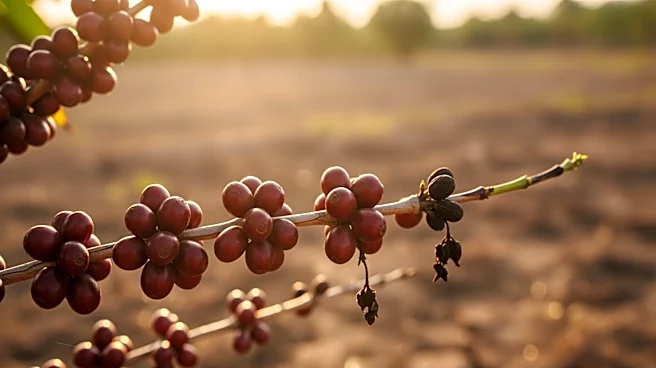
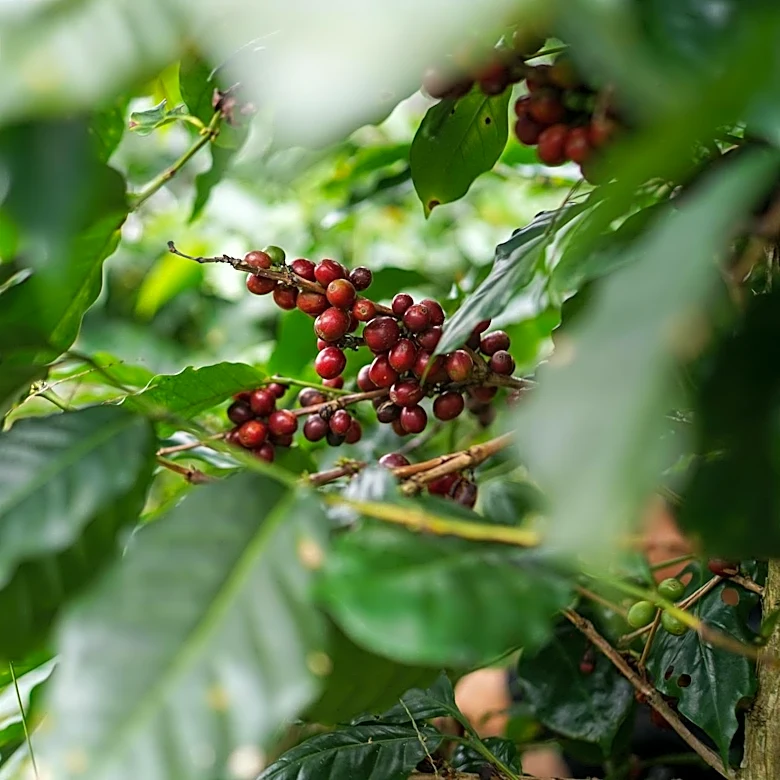
The coffee industry is facing significant challenges due to increasingly erratic weather patterns, which are affecting coffee production worldwide. Key coffee-producing countries such as Brazil, Vietnam, Colombia, Ethiopia, and Indonesia have experienced
an average of 57 more days of coffee-harming heat between 2021 and 2025. This has led to unpredictable harvests and fluctuating coffee prices. The industry is seeing a shift towards more climate-resilient coffee species like robusta, which can better withstand changing conditions. Coffee brands are urged to support sustainable practices and build direct relationships with producers to ensure long-term viability.
Why It's Important?
The volatility in coffee production due to climate change has significant implications for the global coffee market, affecting prices and supply chains. As coffee is a staple beverage for millions, any disruption can have widespread economic and social impacts. The need for climate-resilient agricultural practices is becoming more urgent, with potential benefits for both producers and consumers. The shift towards sustainable practices and climate-resilient species could help stabilize the market and ensure the future of coffee production.
What's Next?
Coffee brands and producers are likely to continue exploring and investing in climate-resilient coffee species and sustainable farming practices. There may be increased collaboration between brands and producers to develop long-term strategies for adapting to climate change. The industry could also see more emphasis on certifications that prioritize environmental sustainability, such as Fair Trade and B Corp. These efforts aim to provide financial stability to farmers and ensure a steady supply of coffee despite environmental challenges.