




What's Happening?
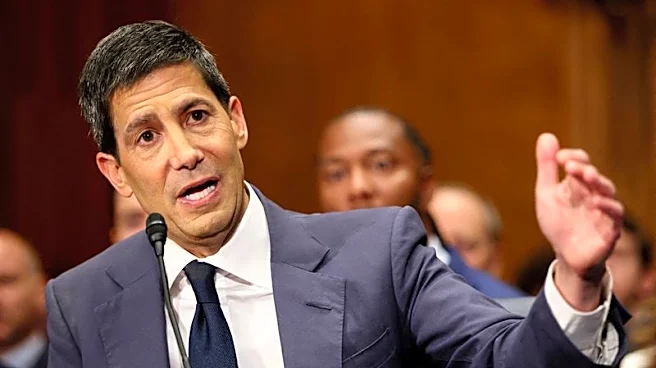
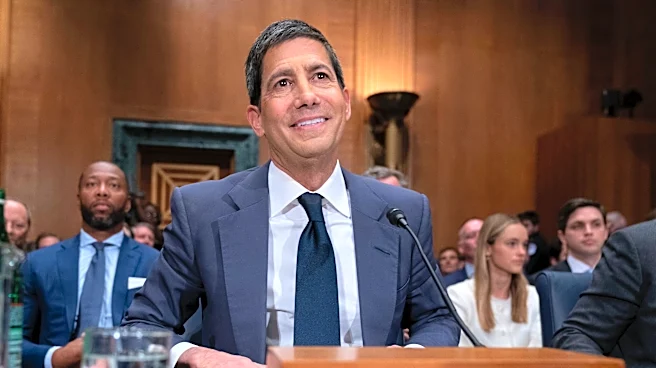
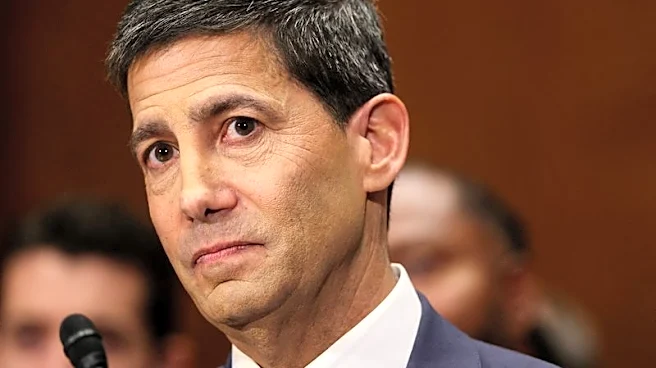
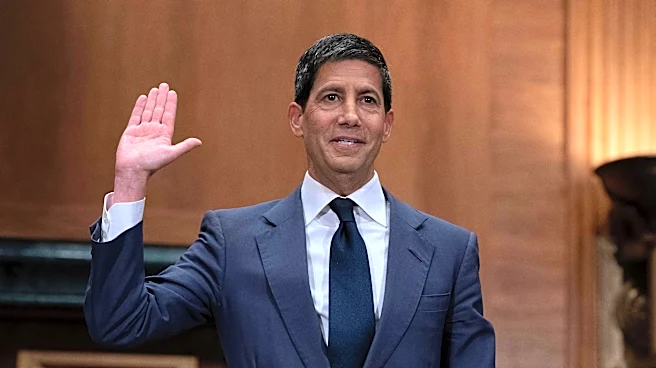
The U.S. Senate has confirmed Kevin Warsh as the new chair of the Federal Reserve, succeeding Jerome Powell. Warsh's confirmation comes at a time when the U.S. is grappling with inflation rates that exceed the Federal Reserve's target. Warsh, who previously
served on the Fed's board from 2006 to 2011, is expected to face significant challenges in managing inflation and navigating the Fed's policy decisions. His views on interest rates and inflation are closely monitored, especially given President Trump's expectations for lower rates. Warsh's first rate projection could reveal his stance on monetary policy, although he has the option to withhold projections initially. The Fed's rate-setting committee has maintained steady rates, with some members advocating for potential hikes. Warsh's appointment marks a significant shift in the Fed's leadership at a critical time for the global economy.
Why It's Important?
Warsh's confirmation is significant as it signals a potential shift in the Federal Reserve's approach to monetary policy. With inflation rates currently above the Fed's target, Warsh's leadership will be crucial in determining whether the Fed will adjust interest rates to curb inflation or maintain them to support economic growth. His appointment also reflects President Trump's influence on the Fed, as Trump has been vocal about his desire for lower interest rates. Warsh's stance on monetary policy will have broad implications for the U.S. economy, affecting everything from consumer borrowing costs to business investment decisions. The financial markets and economic stakeholders will be closely watching Warsh's decisions, as they could impact economic stability and growth.
What's Next?
As Warsh takes over as chair, his initial actions and statements will be closely scrutinized by both domestic and international observers. The Fed's upcoming meetings will provide insight into Warsh's approach to interest rates and inflation management. Additionally, Warsh's relationship with the White House and his ability to maintain the Fed's independence will be key factors in his tenure. The Fed's policy decisions under Warsh's leadership will likely influence global economic trends, given the interconnected nature of the world's financial systems. Stakeholders will be looking for signs of how Warsh plans to address inflation and whether he will implement any changes to the Fed's communication strategies or inflation measurement methods.