
What's Happening?
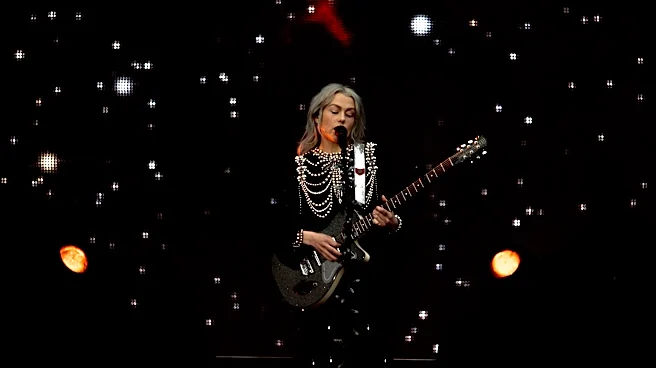
Phoebe Bridgers, the acclaimed Los Angeles songwriter and member of Boygenius, held a unique concert at Madison Square Garden, where she implemented a strict no-phones policy. This event was part of a series
of surprise performances across the country, culminating in a sold-out show at the iconic venue. Attendees were required to lock their phones in Yondr pouches, creating an atmosphere reminiscent of a bygone era. Bridgers performed a mix of fan favorites and eight unreleased tracks, showcasing her evolution as an artist. The concert featured a small, round stage with a 1970s aesthetic, complete with lava lamps and blacklight posters, enhancing the nostalgic feel. Bridgers' setlist included songs like 'Motion Sickness' and 'Waiting Room,' and she introduced new material that touched on themes of fame, death, and political issues. The event also served a charitable purpose, with ticket prices ranging from $1 to $20, supporting the Community Justice Exchange's Immigration Bond Freedom Fund.
Why It's Important?
This concert represents a significant cultural moment, highlighting a shift towards more intimate and distraction-free live music experiences. By banning phones, Bridgers encouraged attendees to fully engage with the performance, fostering a deeper connection between the artist and the audience. This approach challenges the current trend of constant digital documentation and offers a rare opportunity for fans to experience music in a more traditional and immersive way. Additionally, the concert's charitable aspect underscores the potential for artists to leverage their platforms for social good, raising awareness and funds for important causes. Bridgers' decision to price tickets affordably also makes live music more accessible, potentially setting a precedent for future events.
What's Next?
Phoebe Bridgers plans to continue her no-phones policy on her upcoming Lost Tour this fall, suggesting a sustained commitment to creating unique live experiences. This approach may inspire other artists to adopt similar practices, potentially leading to a broader movement within the music industry. Fans and industry observers will be watching to see how this trend develops and whether it influences concert culture more widely. Additionally, Bridgers' new material, which includes politically charged themes, may spark further discussions and engagement with her audience, potentially influencing public discourse on the issues she addresses.