






What's Happening?
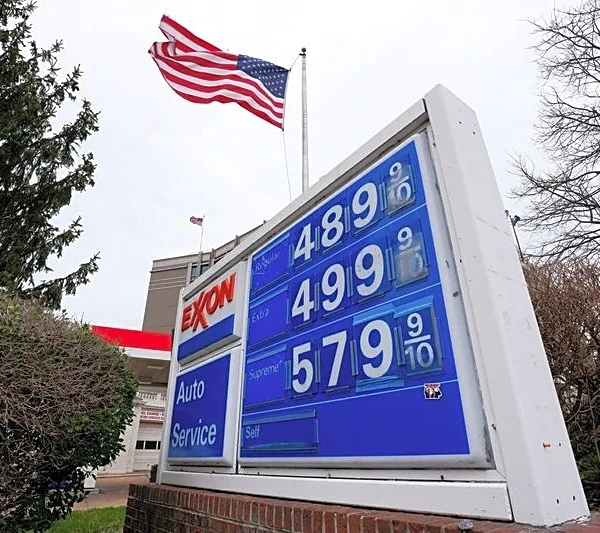
The ongoing conflict between the U.S. and Iran has led to significant disruptions in the global supply chain, particularly affecting the U.S. food and beverage industry. The conflict has resulted in increased oil prices, which have surpassed $100 a barrel,
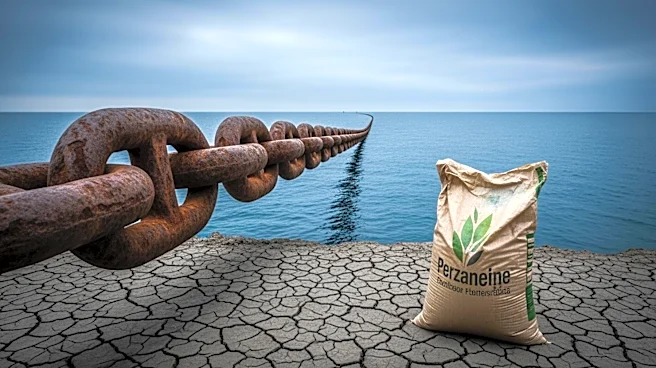
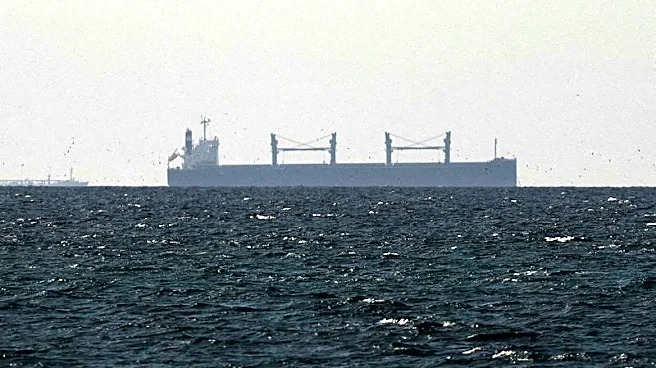
impacting transportation costs for raw materials and goods. The U.S. food and beverage sector, known for its high energy consumption, faces heightened risks due to the conflict, especially in sectors requiring thermal or refrigeration processes like dairy, meat, and beverages. Additionally, the Persian Gulf's role as a major hub for global fertilizer exports has been disrupted, affecting raw material availability. The conflict has also raised concerns about potential cyber attacks on U.S. businesses, emphasizing the need for robust cybersecurity measures.
Why It's Important?
The conflict's impact on energy and raw material costs poses a significant challenge to the U.S. food and beverage industry, which is already one of the most energy-intensive sectors. The increased costs could lead to higher consumer prices, contributing to inflationary pressures. Companies must navigate these challenges by reassessing their supply chains and energy sources. The potential for cyber attacks adds another layer of complexity, requiring businesses to prioritize cybersecurity. The situation underscores the interconnectedness of global markets and the vulnerability of U.S. industries to geopolitical tensions.
What's Next?
As the conflict continues, U.S. food and beverage companies will need to remain agile, adapting to fluctuating costs and potential supply chain disruptions. Businesses may explore alternative energy sources and supply chain strategies to mitigate risks. The industry will also need to monitor geopolitical developments closely, as any escalation could further impact costs and availability of essential materials. Companies might also increase investments in cybersecurity to protect against potential threats.