






What's Happening?
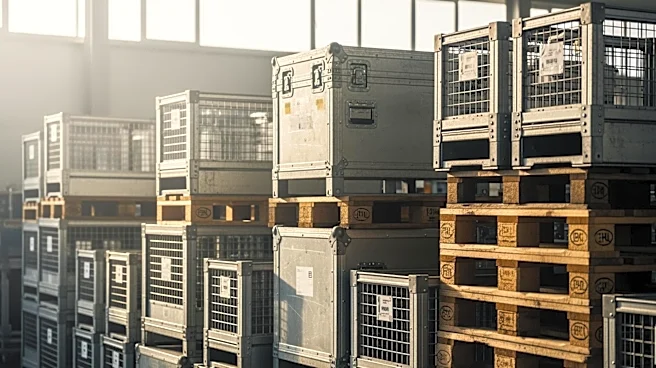
U.S. manufacturing activity has surged to its highest level in four years, driven by companies increasing inventories to guard against supply disruptions and rising costs linked to the ongoing conflict with Iran. According to S&P Global, the manufacturing Purchasing
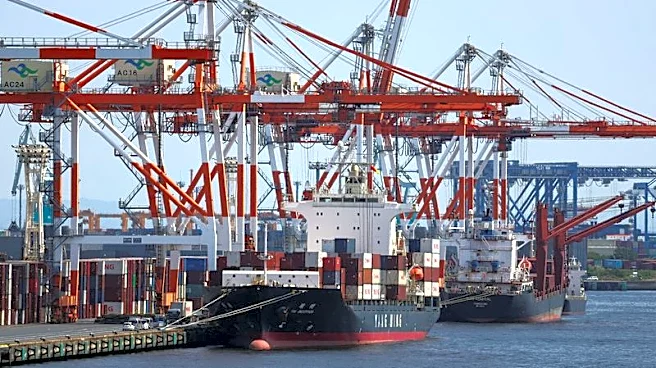
Managers' Index rose to 55.3 in May, indicating expansion. The conflict has disrupted shipping through the Strait of Hormuz, affecting global energy routes and contributing to shortages of various products. Despite the manufacturing sector's growth, the broader economy remains weak, with the services sector showing slower momentum. Manufacturers are building 'safety stocks' amid price and supply concerns, leading to increased input costs and higher prices for consumers.
Why It's Important?
The expansion in manufacturing highlights the sector's resilience and adaptability in the face of global supply chain challenges. However, the increased costs and inventory buildup reflect underlying economic vulnerabilities, such as inflationary pressures and potential supply shortages. The situation underscores the importance of strategic inventory management and supply chain diversification for businesses. The manufacturing sector's performance is crucial for the U.S. economy, as it can influence employment, consumer prices, and overall economic growth. The ongoing conflict and its impact on supply chains may prompt policymakers to consider measures to stabilize the economy and support affected industries.
What's Next?
As manufacturers continue to navigate supply chain disruptions, the focus will likely remain on inventory management and cost control. The potential for further price hikes and supply delays may lead to increased pressure on policymakers to address these challenges. Businesses may also explore alternative supply sources and strategies to mitigate risks. The manufacturing sector's performance will be a key indicator of economic resilience, and its trajectory will influence broader economic policies and decisions.