


What's Happening?
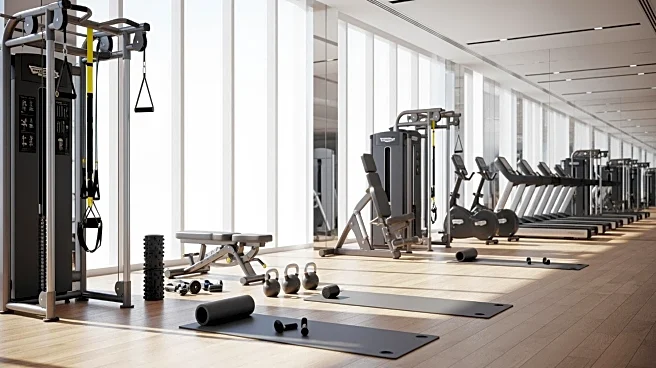
The Milano-Cortina Winter Olympic Training Center in Italy is providing athletes with state-of-the-art facilities to maintain peak performance during the games. The center is equipped with advanced Technogym machines, including treadmills and AI-powered equipment for athlete assessments. Despite the presence of traditional training tools like kettlebells, which are deemed overrated for heavy lifting by experts, the focus is on machines that safely build muscle and strength. The center also emphasizes the importance of cardio and Pilates, with the latter gaining popularity among athletes for enhancing strength and stabilizing muscles. This comprehensive approach aims to support athletes in their pursuit of gold by offering a variety of training options
tailored to their specific needs.
Why It's Important?
The training center's diverse offerings reflect a shift in athletic training paradigms, emphasizing safety and versatility. By incorporating machines and Pilates, athletes can enhance their performance while minimizing injury risks. This approach could influence training methods beyond the Olympics, encouraging gyms and fitness centers to adopt similar strategies. The focus on cardio and muscle development aligns with broader fitness trends, potentially impacting how athletes and the general public approach exercise. The center's emphasis on technology and innovation highlights the growing role of advanced equipment in sports training, which could drive demand for similar facilities worldwide.
What's Next?
As the Winter Games progress, the effectiveness of the training center's approach will be closely monitored. Success stories from athletes utilizing these facilities could lead to increased adoption of similar training methods in other sports and fitness contexts. The integration of AI and advanced machines may prompt further technological advancements in sports training, potentially setting new standards for athletic preparation. Additionally, the growing acceptance of Pilates among athletes could lead to its wider adoption in mainstream fitness routines, influencing how people train for strength and stability.