






What's Happening?
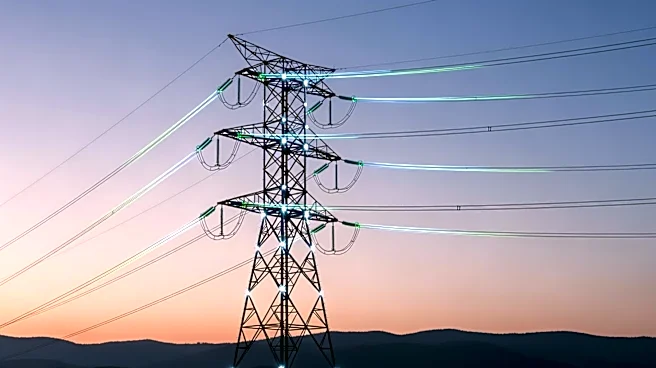
Advanced Transmission Technologies (ATTs) are being implemented to enhance the capacity and efficiency of the U.S. energy grid. These technologies, including dynamic line rating systems and high-performance conductors, can increase transmission capacity by
10% to 30% through real-time operational adjustments. According to a January 2025 analysis by Pew Charitable Trusts, advanced conductors can carry 50% to 110% more power than conventional lines. If deployed nationwide, these technologies could quadruple energy transmission capacity and save $85 billion in system costs by 2035. The push for these technologies comes as the demand for electricity surges, driven by data centers and industrial electrification. Traditional infrastructure projects, such as new transmission lines, face lengthy permitting and construction timelines, making ATTs a viable short-term solution.
Why It's Important?
The implementation of ATTs is crucial for meeting the growing electricity demand in the U.S. The current infrastructure is struggling to keep up with the rapid increase in power needs, particularly from data centers and industrial sectors. By enhancing existing transmission lines, ATTs offer a cost-effective and timely solution to bridge the gap between demand and supply. This approach not only supports the transition to cleaner energy sources but also reduces the need for new infrastructure, which is often delayed by regulatory and logistical challenges. The potential cost savings and increased capacity could significantly impact the energy sector, making it more resilient and efficient.
What's Next?
States like Virginia, Minnesota, Colorado, and Maine are already requiring utilities to evaluate ATTs in their resource plans, indicating a growing policy momentum. As these technologies prove their effectiveness, more states are likely to adopt similar measures. The energy sector may see increased investment in ATTs as stakeholders recognize their potential to quickly enhance grid capacity. Additionally, the focus may shift towards optimizing existing infrastructure rather than solely relying on new projects, which could lead to a more sustainable and efficient energy system.