






What's Happening?
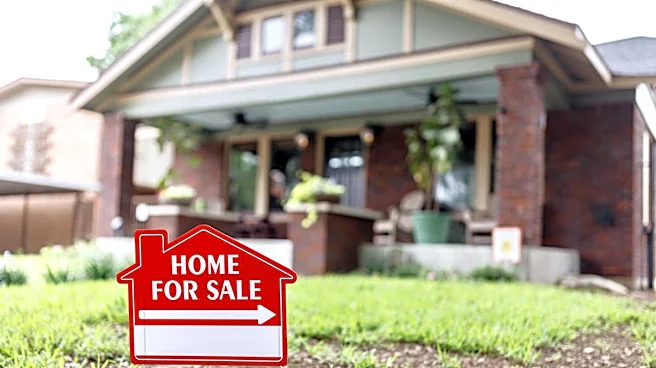
In May, U.S. home sales experienced a significant rebound, reaching the highest level since December. The National Association of Realtors reported a 3.2% increase in existing home sales from April, with a seasonally adjusted annualized rate of 4.17 million
units. This growth exceeded economists' expectations, who anticipated less than a 1% gain. The increase in sales is attributed to a slight pullback in mortgage rates in April, following a sharp rise in March due to geopolitical tensions with Iran. Despite the ongoing challenges, including a tight housing supply and rising prices, the median price of homes sold in May reached $429,300, a 1.3% increase from the previous year.
Why It's Important?
The unexpected surge in home sales is a positive indicator for the U.S. housing market, suggesting resilience despite economic uncertainties. The ability of the market to absorb higher prices and mortgage rates points to underlying strength in consumer demand and confidence. This development is crucial for the economy, as the housing sector plays a vital role in economic growth and stability. However, the tight supply of homes and rising prices continue to pose challenges for potential buyers, particularly first-time homebuyers. The situation underscores the need for policies that address housing affordability and supply constraints.
What's Next?
Looking ahead, the housing market's trajectory will depend on several factors, including mortgage rate trends and geopolitical developments. If mortgage rates remain stable or decrease, it could further support home sales. Additionally, efforts to increase housing supply through new construction could help alleviate some of the pressure on prices. Policymakers and industry stakeholders will need to focus on creating a balanced market that supports both buyers and sellers while addressing long-term affordability issues.