






What's Happening?
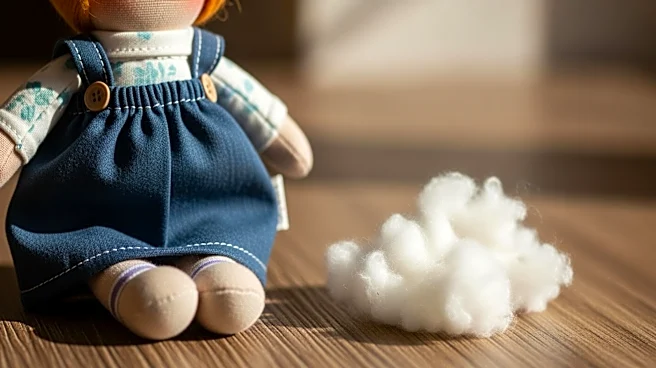
An investigation has revealed that some Labubu dolls contain cotton sourced from Xinjiang, a region in China known for forced labor practices. This finding violates the Uyghur Forced Labor Prevention Act, which bans imports of products made in Xinjiang.
The investigation, confirmed by independent experts, found that 16 out of 20 dolls tested contained the banned cotton. These dolls were purchased from various online retailers, including Amazon and eBay. The dolls' manufacturer, Pop Mart, has stated it will investigate the claims and plans to switch to alternative materials for the U.S. market.
Why It's Important?
The discovery of banned cotton in Labubu dolls raises significant ethical and legal concerns regarding supply chain transparency and compliance with U.S. import laws. It highlights the challenges companies face in ensuring their products do not involve forced labor, particularly in regions with known human rights abuses. The situation could lead to increased regulatory scrutiny and potential import bans, affecting Pop Mart's business operations and market presence in the U.S. This case also emphasizes the broader geopolitical tensions between the U.S. and China over human rights issues, potentially impacting trade relations.
What's Next?
U.S. Customs and Border Protection may take action to enforce the import ban on products containing Xinjiang cotton. Pop Mart's response to the investigation and its efforts to comply with U.S. laws will be closely monitored. The situation could prompt other companies to review their supply chains to avoid similar issues. Additionally, the case may influence U.S. policy and trade negotiations with China, as the government continues to address human rights concerns in Xinjiang.