


What's Happening?
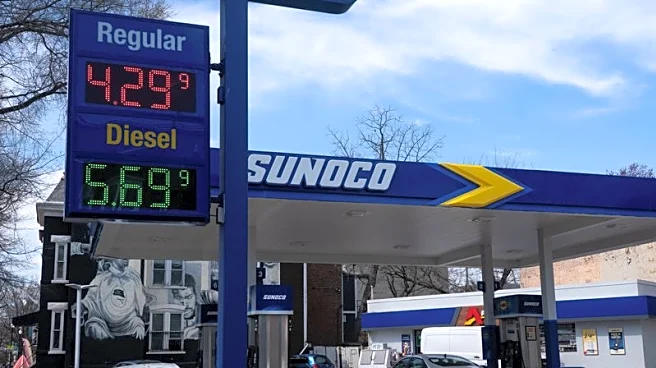
Iowa farmers are experiencing a significant increase in fertilizer and fuel costs as the conflict with Iran escalates. This surge in prices comes at a critical time, with spring planting just a month away. Farmers report that local suppliers are hesitant
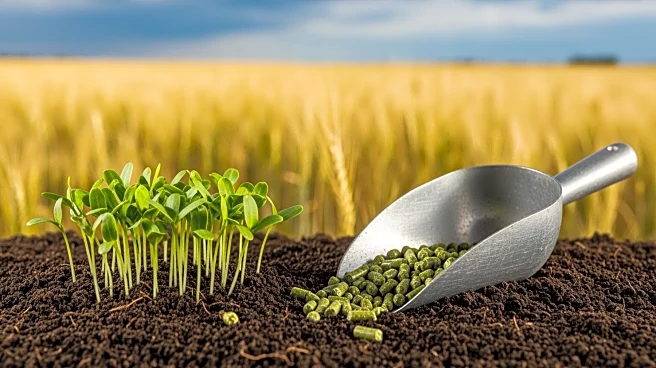
to provide fixed prices for essential fertilizers like nitrogen, with some estimates indicating a 40% increase compared to last fall. This situation adds to the financial strain on farmers who are already facing a fourth consecutive year of projected losses. The rising costs are also expected to impact consumer grocery bills, as higher production costs may translate to increased food prices.
Why It's Important?
The spike in fertilizer prices poses a substantial challenge for U.S. agriculture, particularly in Iowa, a major farming state. The increased costs could lead to reduced profit margins for farmers, potentially affecting their financial stability and long-term viability. For consumers, the ripple effect of higher production costs could result in increased grocery prices, impacting household budgets. This situation highlights the broader economic implications of international conflicts on domestic industries, emphasizing the interconnectedness of global events and local economies.
What's Next?
Farmers will need to navigate these financial challenges as they prepare for the upcoming planting season. They may seek alternative suppliers or adjust their planting strategies to mitigate costs. Policymakers and agricultural organizations might explore measures to support farmers, such as subsidies or financial assistance programs. The ongoing conflict with Iran will continue to be a critical factor influencing market conditions and agricultural economics in the U.S.