




What's Happening?
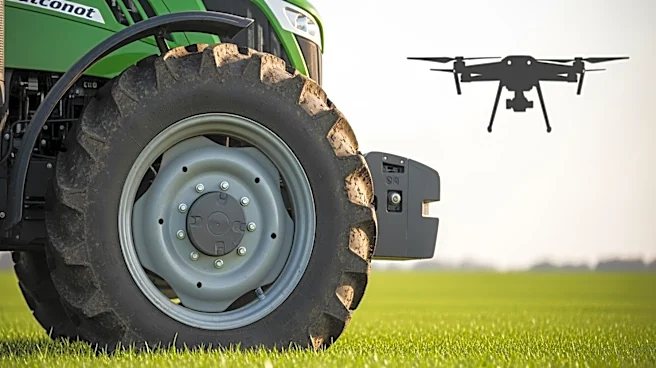
The U.S. tractor market is projected to reach 245.05 thousand units by 2030, driven by advancements in smart farming and clean fuel technologies. Original Equipment Manufacturers (OEMs) are focusing on smart tractors, automation, and precision agriculture
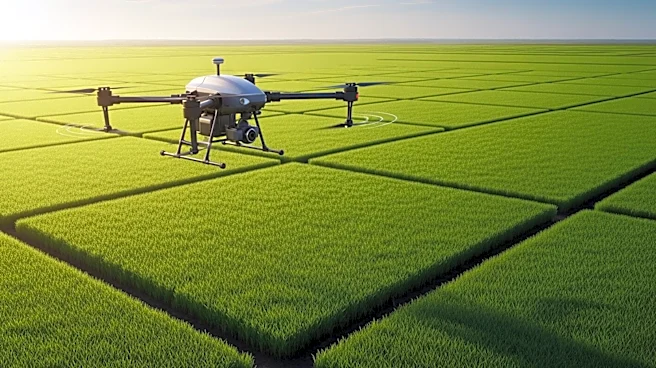
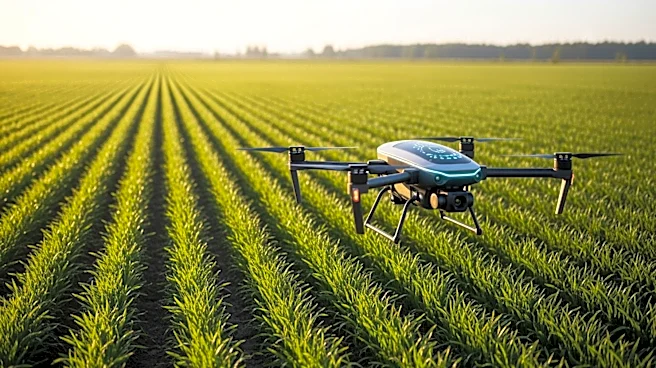
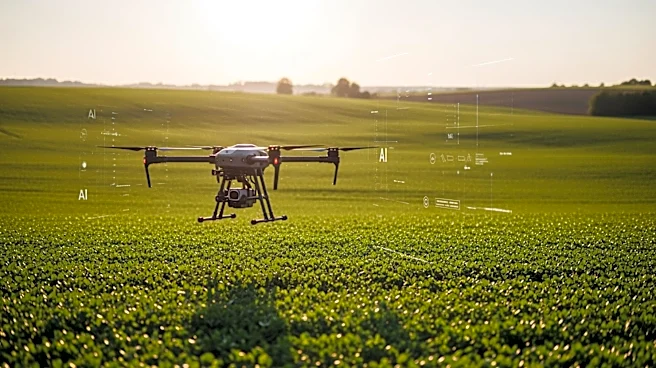
technologies to enhance efficiency and address labor shortages. Companies like Kubota and New Holland are investing in alternative fuel tractors, including hydrogen and methane-powered models, to reduce reliance on diesel engines. The adoption of precision agriculture technologies, such as GPS, AI, and sensors, is enabling real-time monitoring and optimization of farm operations. This shift towards sustainable and efficient farming practices is reshaping the U.S. tractor market.
Why It's Important?
The transformation of the U.S. tractor market is significant for the agricultural sector, as it aligns with broader industry trends towards sustainability and operational efficiency. The adoption of smart and clean fuel technologies helps farmers meet stricter environmental regulations and improve productivity. This shift is crucial for addressing challenges such as labor shortages and tighter profit margins. By investing in advanced technologies, OEMs are positioning themselves to meet the growing demand for sustainable farm machinery. The market's evolution also reflects a commitment to reducing carbon emissions and promoting sustainable agriculture practices across the U.S.
What's Next?
As the U.S. tractor market continues to evolve, further advancements in smart and autonomous technologies are expected. OEMs will likely expand their portfolios of connected and electric tractors, integrating predictive maintenance and zero-emission solutions. The market will also see increased regional demand, driven by crop diversification and mechanization levels. As farmers navigate regulatory pressures and economic challenges, the adoption of smart tractors will become essential for data-driven and efficient farming. Continued innovation and investment in sustainable technologies will shape the future of the U.S. tractor market.