


What's Happening?
Anthropic, an artificial intelligence startup, has filed a lawsuit against the Trump administration following its designation as a supply chain risk, a label typically reserved for foreign adversaries. This designation prevents Anthropic from working
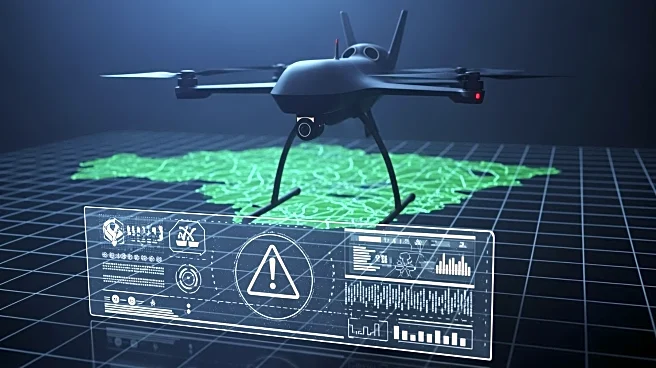
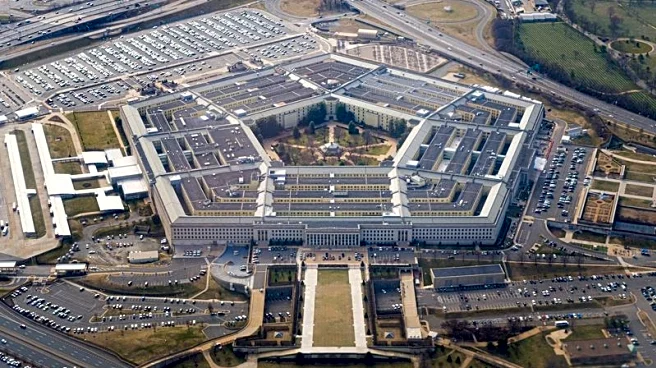
with the government and threatens its business operations. The lawsuit, filed in the U.S. District Court for the Northern District of California, claims that the actions taken by the administration are unprecedented and unlawful, infringing on the company's First Amendment rights. The conflict arose after Anthropic refused to allow the Department of Defense (DOD) unrestricted access to its AI models, particularly for uses involving mass surveillance and autonomous weapons. The DOD's demand for such access led to the cancellation of Anthropic's contracts with the federal government, jeopardizing future business opportunities and damaging the company's reputation.
Why It's Important?
The lawsuit highlights significant tensions between private tech companies and government agencies over the use of advanced technologies. The outcome of this legal battle could set a precedent for how AI technologies are regulated and utilized by government entities, particularly in defense contexts. If Anthropic succeeds, it may encourage other tech companies to assert their rights against government overreach, potentially reshaping the landscape of government contracts and tech industry regulations. Conversely, if the government prevails, it could lead to increased scrutiny and control over tech companies' operations, especially those involved in sensitive areas like AI and national security.
What's Next?
The legal proceedings will likely draw attention from other tech companies and civil rights organizations concerned about government overreach and the protection of corporate rights. The case could prompt discussions in Congress about the balance between national security and technological innovation, potentially leading to new legislation or amendments to existing laws governing tech industry practices. Additionally, the outcome may influence how other countries approach similar issues, impacting international tech policy and cooperation.