



What's Happening?
Edge AI is transforming the usability of robotics by introducing a software layer that simplifies interaction with complex systems. This development is akin to the impact Windows had on personal computers, making them accessible to a broader audience.
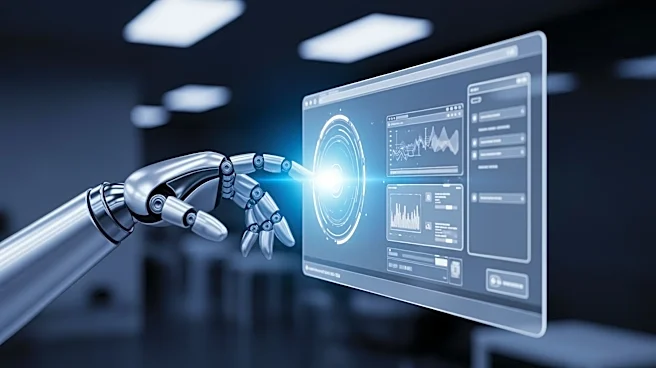
The new software, such as the NEPI (Numurus Edge Platform Interface), provides plug-and-play capabilities for various robotic components like cameras and sensors, and offers a browser-based user interface. This allows users to interact with robotic systems without needing specialized hardware or software, significantly lowering the barrier to entry for utilizing advanced robotics technology.
Why It's Important?
The introduction of user-friendly software for edge AI processors is significant as it democratizes access to advanced robotics technology. Previously, only teams with embedded software expertise could leverage these processors, limiting their use to well-funded startups and large corporations. With the new software, a wider range of users, including educators and smaller companies, can integrate AI-based automation into their projects. This expansion is expected to drive innovation across various industries, as more teams can now focus on developing unique applications rather than building foundational software from scratch.
What's Next?
As edge AI becomes more accessible, it is anticipated that there will be a surge in AI-enabled products across different sectors. This shift will likely lead to increased competition and innovation, as more players enter the market with new ideas and applications. Additionally, educational institutions may incorporate AI-based automation into their curricula, preparing a new generation of engineers and developers to work with these technologies. The broader adoption of edge AI could also lead to the development of new standards and best practices, further facilitating its integration into various industries.
Beyond the Headlines
The move towards more accessible edge AI technology raises important questions about the future of work and the skills required in the robotics and automation fields. As the technology becomes more user-friendly, there may be a shift in the types of skills that are in demand, with a greater emphasis on application development and integration rather than foundational software engineering. This could lead to changes in educational programs and professional training, as institutions adapt to prepare students for the evolving job market.