







What's Happening?
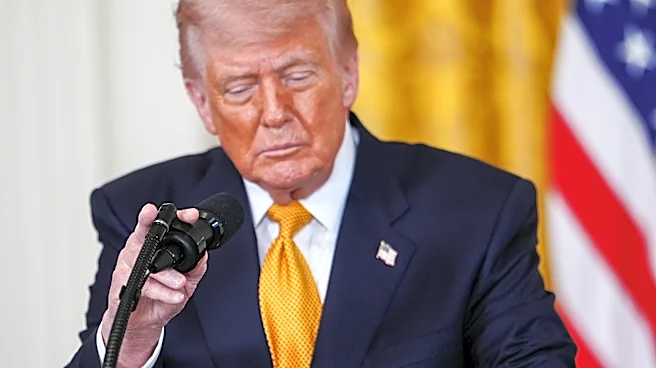
The Court of International Trade has ruled that President Trump's global 10% tariffs, part of his second-string trade strategy, are unlawful. This decision follows a similar ruling against tariffs under the International Emergency Economic Powers Act.
The government has filed a notice of appeal, indicating a potential months-long legal process. The tariffs, imposed in February, are set to expire in July unless extended by Congress. The administration is also pursuing Section 301 investigations into trading partners, which could lead to new tariffs. Legal experts suggest that the appeal process could delay any potential refunds for importers affected by the tariffs.
Why It's Important?
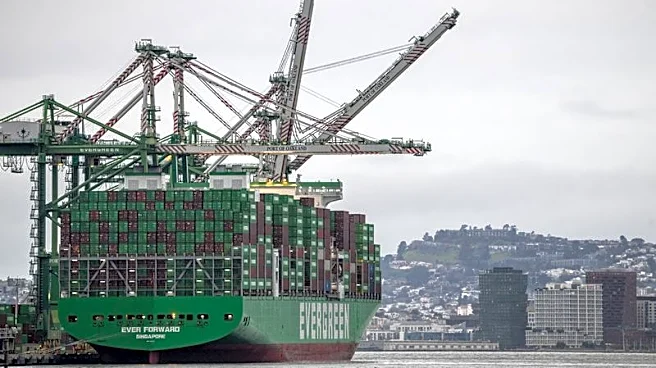
The ruling challenges President Trump's tariff strategy, which has been a cornerstone of his economic policy. The decision could impact U.S. industries and consumers, as tariffs have contributed to inflation and affected pricing strategies. The administration's appeal and ongoing investigations could lead to new tariffs, influencing trade dynamics and economic conditions. The legal process may also affect businesses seeking refunds, as the government disputes the courts' authority to issue universal relief.
What's Next?
The appeal process will determine the future of the 10% tariffs and potential refunds for importers. The administration's Section 301 investigations could result in new tariffs, affecting trade relations and economic conditions. The outcome of these legal and policy developments will be closely monitored by stakeholders, as they could have significant implications for trade policy and economic conditions.