







What's Happening?
The escalation of conflict between the U.S. and Iran has led investors to brace for a prolonged period of market volatility. Recent U.S. military strikes on Iranian targets have prompted retaliatory actions from Tehran, affecting global markets. Despite
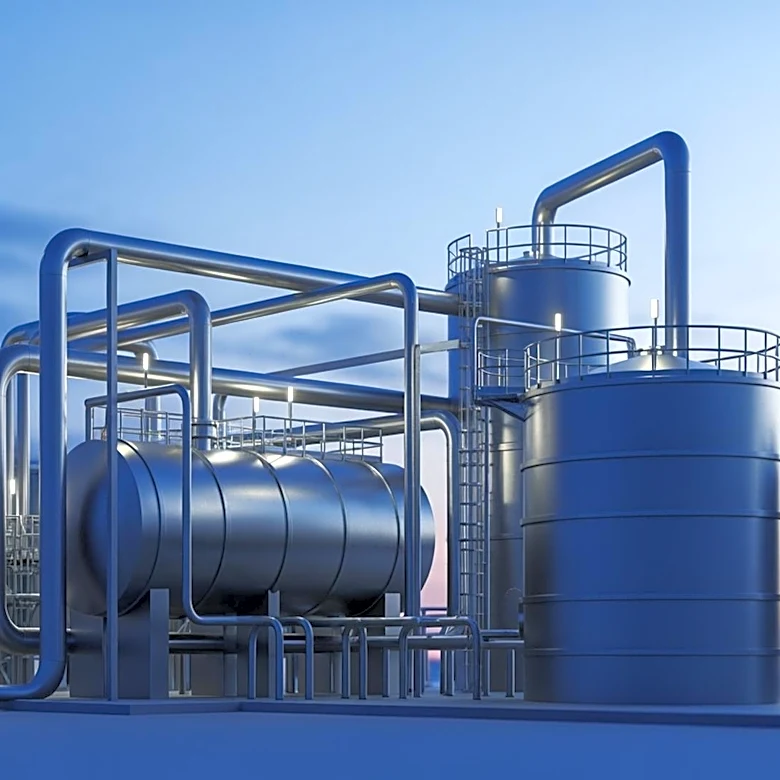
the tensions, oil prices have remained below $100 per barrel, as alternative export routes and strategic petroleum reserves have mitigated potential supply shocks. However, the ongoing conflict has led to increased geopolitical risk premiums, with investors adjusting to a new reality of elevated energy costs and borrowing rates. The situation is further complicated by the collapse of mediation efforts, leading markets to anticipate a 'long grind' rather than a swift resolution.
Why It's Important?
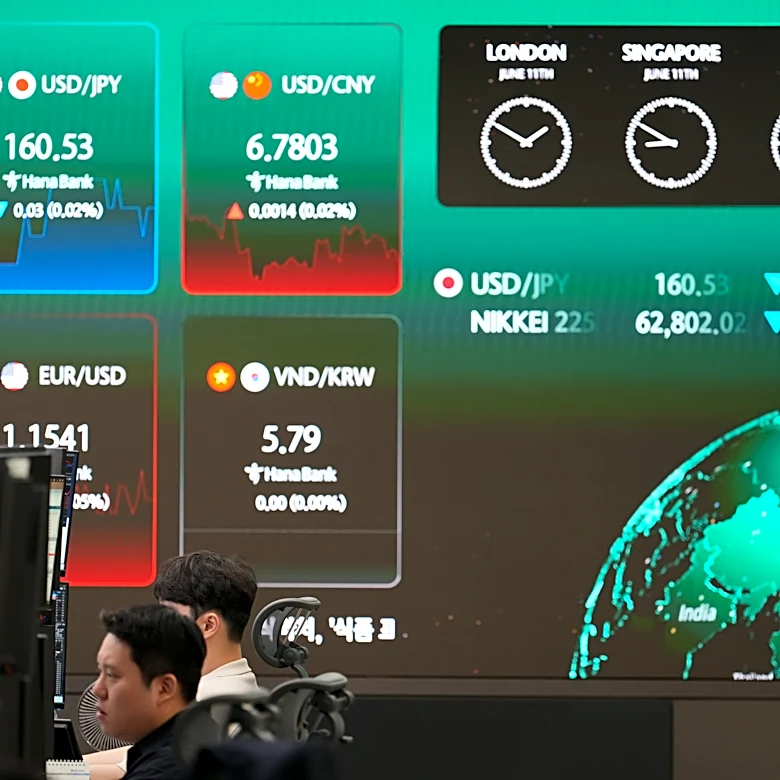
The prolonged conflict between the U.S. and Iran poses significant challenges for global markets, particularly in terms of energy prices and investor confidence. As geopolitical tensions persist, the cost of capital is expected to rise, impacting corporate earnings and investment strategies. This environment may lead to a reevaluation of risk and return expectations, with investors demanding higher premiums for geopolitical uncertainties. The situation underscores the interconnectedness of global markets and the potential for regional conflicts to have widespread economic implications.