


What's Happening?
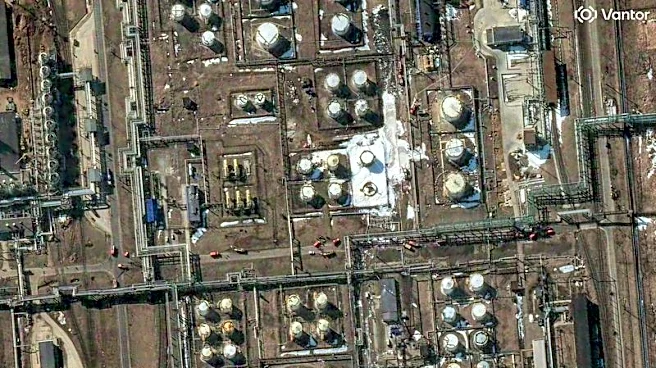
The ongoing conflict involving Iran has led to a significant increase in helium prices, affecting several critical industries in the United States. The disruption stems from Iran's attack on a Qatari liquefied natural gas plant, which is a major global
supplier of helium. This attack has caused extensive damage, leading to a projected five-year repair period. As a result, helium prices have reportedly doubled since late February. Helium is essential for various sectors, including semiconductor manufacturing, medical imaging, and aerospace. The semiconductor industry relies on helium for cooling processes, crucial for chip production. In healthcare, MRI machines use helium to maintain the low temperatures needed for superconducting magnets. The aerospace sector uses helium for rocket propulsion and cooling systems. The shortage and price increase of helium pose challenges for these industries, potentially leading to higher costs for products like smartphones, MRIs, and space exploration missions.
Why It's Important?
The helium price surge has significant implications for the U.S. economy and technological advancement. The semiconductor industry, already under pressure from increased demand due to the AI boom, faces further strain from helium shortages. This could slow down production and increase costs for consumer electronics and data centers. In healthcare, the rising cost of helium could impact the availability and affordability of MRI services, affecting patient care. The aerospace industry, including government-funded space missions and private companies like SpaceX, may experience increased operational costs, potentially affecting research and development budgets. The reliance on Qatar for helium highlights vulnerabilities in global supply chains, emphasizing the need for diversification and alternative solutions.
What's Next?
Industries affected by the helium shortage may seek alternative solutions to mitigate the impact. The semiconductor sector might explore helium-free technologies or invest in recycling and conservation methods. In healthcare, the adoption of helium-free MRI machines could accelerate, although this transition may take time. The aerospace industry may need to adjust budgets and timelines for projects reliant on helium. Additionally, the U.S. government and private sectors might consider investing in domestic helium production to reduce dependency on foreign sources. The situation also calls for diplomatic efforts to stabilize the region and prevent further disruptions to critical supply chains.